
Design a Personal Retreat That Starts With Your Shower and Soaking Tub
Shower and soaking tub ideas lead the way when you plan an at-home spa. Add steam, a dry sauna, and a cold plunge, and you will have a daily wellness routine inside your own walls. This guide walks through layouts, practical tips, and gear suggestions so you can design a calm retreat that fits your lifestyle. Redleaf Homes has been building one-of-a-kind homes and spa bathrooms across Southeastern Wisconsin since 2011, and our team loves turning big wellness goals into comfortable, durable spaces.
Why Build a Wellness Spa at Home
Health has become a core part of how we design homes. An at-home spa saves time, supports better habits, and creates a relaxing place to reset. The best part is how flexible it can be. You can start simple with a shower and soaking tub combination, then add a steam generator, a compact sauna room, and a cold plunge as your space and budget allow.
There are clear benefits to a home spa:
- Routine made easy: No travel or gym schedule, just a daily habit you can keep.
- Recovery and relaxation: Heat, steam, and cold support muscle recovery and deep rest.
- Indoor air and comfort: Proper ventilation and waterproof finishes improve overall bathroom quality.
- Resale appeal: Thoughtful spa design can lift value and wow factor without feeling trendy.
The Core Elements: Steam, Sauna, Cold Plunge, and the Anchor Bath
Steam Shower
A steam shower brings a humid heat session into your bathroom with a generator, a sealed shower, and simple digital controls. It is more compact than a sauna, warms up faster, and pairs beautifully with a deep soaking tub for contrast therapy.
Dry Sauna
A dry sauna delivers a consistent, enveloping heat that many people find meditative. Cedar or hemlock benches, a dependable sauna heater, and basic mood lighting are enough to create a timeless spa room. Place it close to the shower and soaking tub to move smoothly between heat and rinse.
Cold Plunge
Cold plunges give a quick reset, especially after heat or steam. Options range from a chilled plunge tub with a small chiller to an unheated outdoor tub in cooler months. Indoors, a dedicated cold tub with filtration provides clean, consistent water and easy daily use.
The Anchor: A Well-Designed Shower and Soaking Tub
Even in the most advanced wellness suites, the everyday heroes are the shower and soaking tub. They are simple, restorative, and family friendly. They also set the tone for finishes, lighting, and overall comfort. With smart planning, your shower enclosure can serve as a standard shower most days and seal into a steam shower when you want full spa mode.
Designing Your Shower and Soaking Tub
Shower Design Essentials
Your shower does a lot of work. For spa-grade comfort, focus on a layout that offers room to move and the right water experience. A 4 by 6 foot shower footprint feels generous without dominating the room. Include a handheld shower on a slide bar for rinse and cleaning, plus a wall mount or rain head for a soothing wash. If you plan to use steam, add a transom or full-height glass to seal vapor, slope the ceiling slightly so condensation rolls away from where you stand, and include a small bench for comfort.
Soaking Tub Choices
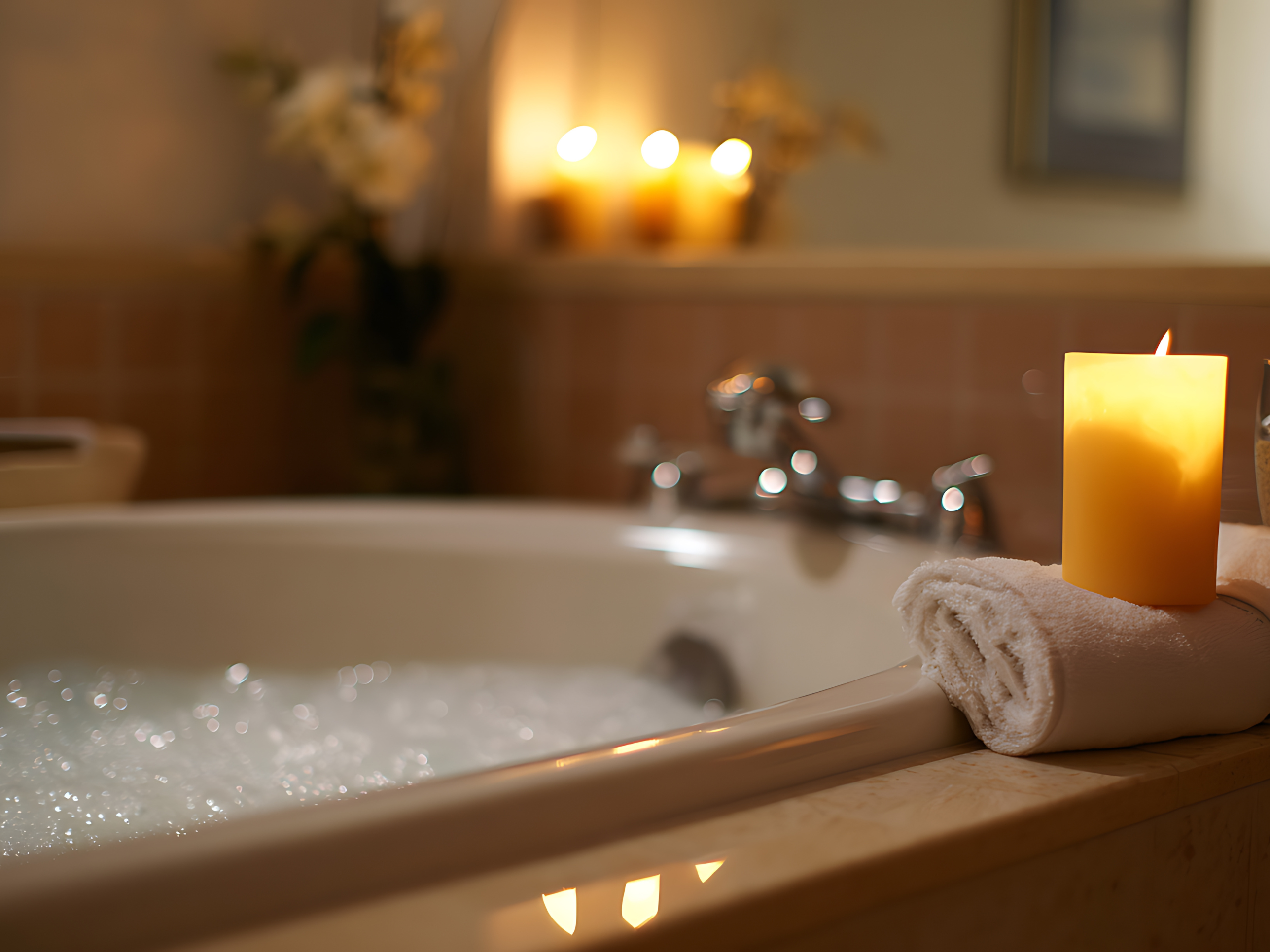
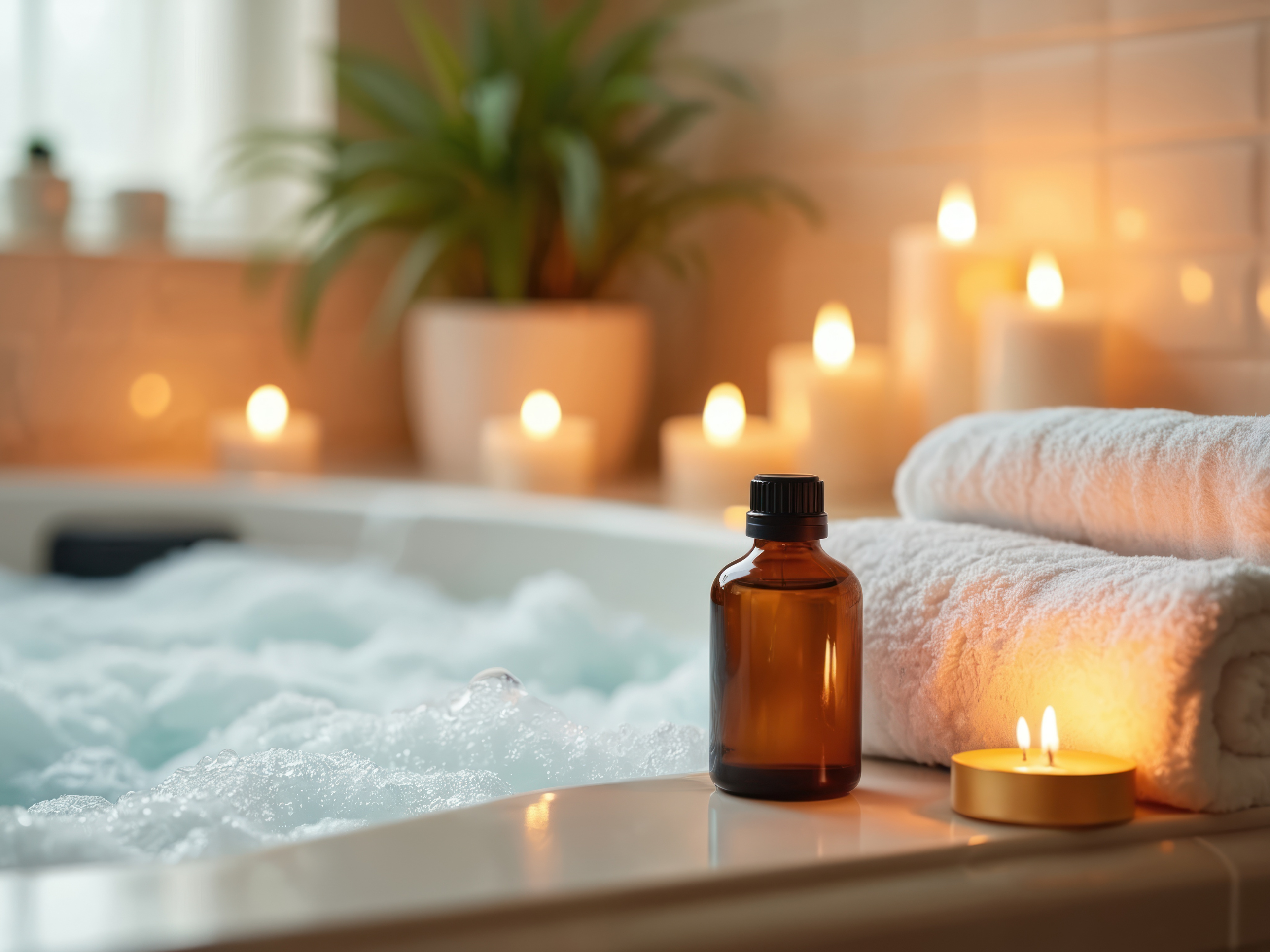
A deep soaking tub creates a quiet pause in your day. Size it so you can fully submerge your torso without feeling cramped. Freestanding tubs look sculptural and make a statement, while drop-in or undermount tubs integrate with a deck that can hold bath salts, candles, or a book. If you love contrast therapy, choose a tub that fills quickly and holds heat well. When space is tight, a Japanese-style deep tub with a smaller footprint can deliver full-body immersion without crowding the room.
Why the Shower and Soaking Tub Belong Together
Place the shower and soaking tub close to each other and you gain a flexible wellness zone. You can rinse before a tub soak, use the handheld to cool off mid-soak, and move easily between hot water and a quick cold rinse. When you later add steam or a cold plunge, the whole area will already function as a balanced spa circuit.
Smart Layouts for Any Home
Compact Bath With Big Wellness
Even a modest bath can become a spa if you plan carefully. Consider a single wet room that merges the shower and soaking tub in one enclosed area. Use a glass panel and a curbless entry to expand sight lines and reduce tripping hazards. A fold-down bench and wall niches keep it tidy. For steam, install a compact generator in a nearby closet and choose a sealed door with a sweep at the base.
Primary Suite Oasis
In a larger suite, frame the shower and soaking tub along one wall with a window for light and privacy glass for comfort. A separate sauna room can sit just off the bath, with a short path to a cold plunge under a window or in an attached sunroom. Add radiant floor heat and dim-to-warm lighting so mornings feel gentle and evenings feel calm.
Lower Level Wellness Suite
Basements often make great spa zones. Concrete floors handle moisture well and ceiling height can support both sauna benches and steam. Place the cold plunge within a few steps of the sauna, and include a towel warmer and ventilation strategy that prevents lingering humidity. A lower level spa keeps noise and traffic out of bedroom areas, which makes it easy for early risers and night owls to enjoy the space.
Lake Country and Northwoods Retreats
For Wisconsin lake homes and cabins, an indoor-outdoor approach is a winner. A dry sauna opens to a covered porch for quick access to fresh air. Inside, pair a stone-clad soaking tub with a large-format tile shower for easy maintenance after hikes and lake days. Cold plunge options can include an outdoor cedar tub in cooler months or a compact chilled tub indoors for year-round use.
Materials and Finishes That Last
- Tile and slab: Porcelain and quartz are durable, low maintenance, and slip resistant when you choose the right texture. Natural stone is beautiful, but seal it often in high-moisture zones.
- Wood in saunas: Kiln-dried cedar or hemlock resists warping and stays comfortable to the touch. Avoid finishes that off-gas at high heat.
- Waterproofing: Use a full waterproof membrane behind tile in showers and steam rooms, not just on seams. Steam rooms need a true vapor barrier.
- Glass: Tempered glass with quality hinges and gaskets is key for steam. Add a transom for airflow when not steaming.
- Fixtures: Choose thermostatic valves for consistent temperature and include scald protection, especially if planning cold contrast nearby.
- Floors: Go with a slight texture for grip. Radiant heat under tile makes the space dry faster and feel cozy during Wisconsin winters.
- Lighting: Wet-rated recessed fixtures and indirect LED strips behind benches or niches create calm without glare.
Ventilation, Waterproofing, and Safety
Good air movement and watertight construction make a spa feel fresh every day. Steam and sauna areas should be fully sealed where required and supported by a right-sized exhaust fan that runs on a timer. In steam showers, slope the ceiling about one inch per foot to prevent drips from collecting above you. Use a vapor-proof membrane approved for high temp and humidity. Install GFCI protection near any water, and place grab bars that look like designer towel rails for subtle safety.
For cold plunges, plan for splash. Position non-slip mats or textured tile around the tub and make sure drains are within easy reach. If you choose a chiller, allow space for service and airflow. Redleaf Homes coordinates with licensed electricians and plumbers so every part of your spa works together without surprises.
Equipment and Gear Picks to Consider
- Steam generator: Select a model sized to your shower volume. Add insulated lines, a programmable control, and an aromatherapy port if you enjoy essential oils.
- Sauna heater: Choose electric for consistency and simple maintenance. Look for units with a reliable thermostat and stone capacity for gentle heat.
- Cold plunge system: Options include a compact insulated tub with a dedicated chiller, inline filtration, and ozone or UV sanitization for clear water.
- Controls and automation: Put steam, sauna, lighting, and audio on intuitive controls. Many systems offer app-based preheat so your sauna is ready when you finish work.
- Water filtration: A whole-home filter can reduce mineral scale on glass and tile, which keeps your shower and soaking tub looking new.
- Audio and lighting: Bluetooth in-ceiling speakers and dim-to-warm LEDs boost relaxation without clutter.
- Towel warmers and storage: Heated rails and cedar cubbies make transitions comfortable and organized.
How to Run a Simple Thermal Cycle
- Hydrate and rinse in the shower.
- Warm up in the sauna for 10 to 15 minutes, or enjoy a 10-minute steam session.
- Do a quick cold plunge or a cool shower for 30 to 90 seconds.
- Rest for a few minutes, then repeat up to three rounds if you feel good.
- Finish with a gentle wash in the shower and dry off in a warm, draft-free spot.
Budget and Timeline Snapshot
- Shower and soaking tub refresh: Often the most approachable place to start. Costs vary with fixtures and tile, and a clear timeline avoids interruption to daily life.
- Add steam to a new or remodeled shower: Plan for a sealed enclosure, a generator, and high-quality controls. The biggest variables are glass, tile, and electrical runs.
- Sauna room: Size, bench layout, and heater type drive cost. Basements and primary suites both work well with the right ventilation.
- Cold plunge: A basic insulated tub is budget friendly, while a chilled and filtered system adds precision and convenience.
- Full wellness suite: When you integrate all elements with coordinated finishes, allow design time up front to get the details right and avoid change orders.
Redleaf Homes emphasizes thorough planning before any work begins. Our clients stay informed with clear budgets, a staged schedule, and regular updates. This approach reduces surprises and keeps the project stress-free.
Easy Maintenance Routines
- Shower and soaking tub: Squeegee glass after use, wipe surfaces weekly with a pH-neutral cleaner, and check caulk lines seasonally.
- Steam: Leave the door open after sessions so moisture clears. Clean the steam head as directed by the manufacturer.
- Sauna: Brush benches and vacuum occasionally. Let the room dry with the door open after use.
- Cold plunge: Follow the filtration schedule, test water regularly, and replace filters on time. Keep a lid on the tub between sessions.
- Ventilation: Run the bath fan on a timer for at least 20 minutes after steam or a long shower.
How Redleaf Homes Builds Your Spa the Right Way
Redleaf Homes is a premier custom builder based in New Berlin, Wisconsin. Since 2011 we have helped homeowners across Southeastern Wisconsin and the Northwoods design and build spaces that fit their lifestyle. That includes elegant bathrooms, spa suites, and whole home wellness plans. We are known for exceptional craftsmanship, a customer-first process, and one-of-a-kind results.
Our services include custom home design, detailed home planning, full-service home building, home remodeling, and seamless home additions. We collaborate early, listen closely, and translate your wish list into a functional layout with practical budgets. Whether you want a simple shower and soaking tub upgrade or a full steam, sauna, and cold plunge suite, our team guides every decision with clarity.
Here is how our process works:
- Discovery: We review goals, inspiration, and how you use your home today.
- Design and planning: We create layouts that make sense for your space, confirm code and ventilation needs, and select finishes that last.
- Preconstruction: We lock the scope, schedule trades, and line up long-lead items so you are not waiting on parts.
- Build and communicate: You get regular updates, clean job sites, and a dedicated point of contact.
- Handoff and care: We walk through your new spa, explain operations, and share maintenance tips.
Redleaf Homes serves New Berlin, Waukesha, Pewaukee, Delafield, Oconomowoc, Lake Country, and surrounding areas. Visit us at 17035 W Greenfield Ave, New Berlin, WI, or call 262-599-8061 to start your project.
Frequently Asked Questions
Do I need both a shower and soaking tub for a true home spa
Strictly speaking, you can have a great spa experience with only a steam shower or a sauna. Still, a combined shower and soaking tub gives you the most flexibility for daily life. Rinse after a workout, take a long soak on weekends, and add steam or cold as you wish. Families also love this setup because it serves every age and season.
How much space do I need for steam, sauna, and a cold plunge
You can fit a quality steam shower into the footprint of a typical shower. A sauna can be as compact as a large closet. A cold plunge can be tucked along a wall or even placed outside near a door. Many homeowners start with a strong shower and soaking tub, then add the other pieces as space allows.
Will a home spa raise my energy bills
There is some added use, but smart planning keeps it modest. Well-insulated steam enclosures warm quickly. Electric sauna heaters only run while you use them. Cold plunges with insulated tubs and efficient chillers hold temp well. Redleaf Homes can suggest insulation and controls that balance comfort and efficiency for Wisconsin seasons.
Is this a good investment for resale
Thoughtful wellness features add appeal, especially in primary suites and lake homes. A beautiful shower and soaking tub almost always help resale. Steam, sauna, and cold plunge rooms that look clean, modern, and low maintenance are a plus for many buyers.
Can I retrofit a steam shower or sauna into my current bath
Often yes. The key is ventilation, waterproofing, electrical capacity, and a plan for access to equipment. Redleaf Homes evaluates your layout to see what is feasible, then designs around your structure to avoid costly surprises.
Pro Tips From the Field
- Put the sauna near plumbing if possible. You will appreciate a quick cool rinse without a long walk.
- Add a heated bench or a towel warmer right outside the shower and soaking tub area for comfort during winter months.
- Choose a hand shower that reaches the soaking tub. It is perfect for quick rinses and cleaning.
- Plan storage for salts, oils, and extra towels. Niches, drawers, and hidden shelves keep the spa feeling calm.
- Think through sound. Soft-close doors, solid-core partitions, and acoustic insulation protect the peaceful vibe.
Bring It All Together With Redleaf Homes
Your at-home wellness spa starts with a practical plan and a reliable team. Focus on a flexible core, the shower and soaking tub, then layer in steam, sauna, and a cold plunge that matches your routine. Redleaf Homes guides you from first sketch to final handoff with the craftsmanship and communication you expect from a premier builder. If you live in New Berlin, Waukesha, Pewaukee, Delafield, Oconomowoc, Lake Country, or nearby, we would love to help you design a space that feels like a retreat every single day. Visit us at 17035 W Greenfield Ave, New Berlin, WI, or call 262-599-8061 to start your dream home project today.
Thinking about building new in SE Wisconsin? Give us a call to discuss your options!