
Why Price Per Square Foot Is a Dangerous Way to Budget
What is the cost per square foot to build? It is a common question, and it sounds like a simple way to plan a new home. The problem is that this number can lead you down the wrong path and cause stressful overruns. In this guide, Redleaf Homes explains why price per square foot is misleading and how to budget with confidence instead. Read on to protect your project and your peace of mind.
What People Mean by Cost Per Square Foot
When most people ask what is the cost per square foot to build, they want a quick rule of thumb. Take the total price, divide it by the finished square footage, and use that number to predict your budget. It looks neat and tidy, but a home is not a single product with a fixed recipe. Every site, plan, finish, and system changes the price. That is why the per foot number shifts so widely and why using it as a starting point can be risky.
Why This Metric Misleads Your Budget
It ignores land and site conditions
Per foot pricing often leaves out real costs like excavation, soil correction, tree removal, utilities, and driveway length. Building on a flat suburban lot is not the same as building on a sloped, wooded property or a lakeside site. In Southeastern Wisconsin and the Northwoods, site conditions can add tens of thousands of dollars. Those costs do not show up in a simple price per square foot.
Volume and complexity drive price
Square footage measures floor area, not volume or shape. A two story home with a complex roof, tall ceilings, and large window walls has more structure and more framing labor than a simple ranch with the same area. Angled walls, dormers, and vaulted spaces look great, but they add cost without adding square feet. The per foot number fails to capture this.
Finish levels change everything
Cabinets, countertops, flooring, tile, trim, doors, fixtures, and appliances all swing the budget. A basic finish package can keep cost lower, while custom millwork, wide plank flooring, and luxury fixtures push it higher. Two homes with identical layouts can vary by many dollars per foot based on finishes alone.
Mechanical systems vary by design
Heating, cooling, ventilation, and insulation strategies depend on the home’s layout and performance goals. Radiant heat, multi zone HVAC, high performance windows, and advanced air sealing improve comfort and efficiency, but they raise upfront cost. Per foot averages rarely reflect these choices accurately.
Garages, porches, and basements skew the math
Not all square feet are counted the same way. Garages and porches are often not included in the finished square footage, yet they still cost money. Finished basements add living area, but even an unfinished basement requires foundation work, insulation, and mechanical space. When you compare homes on a per foot basis, you might be comparing very different scopes.
Market conditions shift fast
Material and labor prices change with supply, demand, and season. Lumber, concrete, windows, and specialty trades can move in price within weeks. A per foot number from last spring does not always match today’s market in Waukesha, Pewaukee, Delafield, Oconomowoc, Lake Country, or the Northwoods.
Small homes can cost more per foot
Smaller homes still need kitchens, bathrooms, mechanical rooms, and entries. Those spaces pack a lot of cost into fewer square feet, so the per foot number often goes up. Larger homes spread fixed costs across more area and can show a lower number per foot while still having a higher total price.
Bidding language and allowances hide gaps
Some estimates include generous allowances for finishes. Others include only basic items. Two bids can list the same square footage and total price, yet one might leave out site work, landscaping, or specialty systems. The per foot number will not tell you what is missing.
Two same size homes, two very different budgets
Imagine two 2,400 square foot homes. Home A is a simple rectangle with a standard roof, eight foot ceilings, builder grade cabinets, and basic tile. It sits on a level lot with city water and sewer. Home B has a complex footprint, a steep roof, ten foot ceilings, custom cabinets, stone counters, upgraded tile, larger windows, and a covered screen porch. It sits on a sloped lot that needs extra excavation and a longer driveway. Even if both homes share the same square footage, Home B can cost much more because of shape, finishes, and site work. A per foot number does not reveal those drivers.
Better ways to plan your budget
Instead of chasing a single number, plan your project using clear scope, defined specifications, and a complete view of costs. Here is a path that works for Redleaf Homes clients across Southeastern Wisconsin and the Northwoods.
- Start with goals and lifestyle. List the rooms you need, how you live day to day, and what will make home life easy and enjoyable.
- Set an all in budget. Include land, site costs, design, engineering, permits, the house, landscaping, and a prudent contingency.
- Choose location early. Soil type, topography, utility access, and local fees will affect total cost more than almost any finish. Get a site assessment before design goes too far.
- Translate needs into a right sized plan. Focus on room sizes and flow, not just total area. Smart layouts save money.
- Define specifications in writing. Cabinets, counters, flooring, windows, roofing, insulation, doors, trim, lighting, and plumbing fixtures should have target levels identified before pricing.
- Engage the builder in preconstruction. A builder who prices real products and assemblies, not guesses, can forecast cost accurately. This is a core part of how Redleaf Homes works.
- Request transparent allowances. For items chosen later, set realistic allowances that match your taste. Confirm whether labor, tax, delivery, and installation are included.
- Plan for site work. Estimate excavation, foundation needs, drainage, well or septic, utility runs, and driveway materials based on the actual lot.
- Include soft costs. Design fees, surveys, engineering, municipal reviews, and loan costs are part of the true budget.
- Add contingency. Set aside a reasonable percentage for unknowns and evolving decisions. It protects the schedule and your stress level.
What to include beyond the house
The house structure is only part of a full project. To answer what is the cost per square foot to build in a useful way, be sure your budget includes the following.
- Land purchase price, title costs, and taxes
- Site prep, excavation, soil correction, and backfill
- Foundation type and waterproofing
- Driveway, walkways, decks, and porches
- Utilities, well and septic or city hookups
- Grading, drainage, and erosion control
- Landscaping, seed or sod, and trees
- Permits, impact fees, and inspections
- Architectural design, engineering, and energy calculations
- Temporary power, dumpsters, and porta facilities
- Appliances, window treatments, and closet systems
- Loan interest during construction and builder’s risk insurance
- Move in and punch list costs
How Redleaf Homes builds accurate budgets
Redleaf Homes was founded in 2011 and is based in New Berlin, Wisconsin. Our team designs, plans, and builds one of a kind homes that reflect the way each client lives. We serve Southeastern Wisconsin communities like New Berlin, Waukesha, Pewaukee, Delafield, Oconomowoc, and the broader Lake Country area, as well as the Northwoods. Clients know Redleaf Homes for craftsmanship, clear communication, and a process that puts people first.
Our services cover the full journey. Custom Home Design means every plan is tailored to you. Home Planning aligns your ideas with practical layouts and real products. Home Building handles scheduling, coordination, and quality control with open communication. We also provide Home Remodeling and Home Additions for clients who love where they live and want to improve it.
Accurate budgeting begins in preconstruction. Redleaf Homes invests time up front to understand your site, define specifications, and secure detailed pricing from trusted partners. We do not rely on a single per foot number. Instead, we create a scope of work that matches your goals and verify costs with vendors who will do the work. This is how we help you avoid surprises and delays.
Transparency is built into every step. You will know what is included, what is optional, and how choices affect the budget. If market prices shift, we let you know and help you adjust. That is part of our customer focused service and why projects with Redleaf Homes feel organized and stress free.
Answering the question: what is the cost per square foot to build
It is fair to ask the question because you want a sense of scale. The best answer is that price per square foot is a result, not a starting point. After your site is known, your plan is developed, and your specifications are chosen, the total investment divided by finished square footage will yield a real per foot number. Until then, any number is only a guess and can steer your expectations in the wrong direction.
If you need a ballpark to start conversations, pair a broad per foot range with full project context. For example, talk about the type of lot, level of finishes, mechanical systems, and current market conditions in Southeastern Wisconsin or the Northwoods. Then verify with an experienced builder who will price your specific plan. Redleaf Homes is glad to review your goals and provide a realistic, detailed budget.
Common myths about price per square foot
- Myth: Two homes the same size will cost the same. Reality: Shape, finishes, and site work make big differences.
- Myth: A lower per foot number means a better deal. Reality: It may exclude important items or assume basic finishes.
- Myth: Per foot pricing applies evenly to every room. Reality: Kitchens and baths cost more per square foot than bedrooms or halls.
- Myth: Bigger homes are always cheaper per foot. Reality: Design complexity and upgrades can reverse that.
- Myth: Per foot numbers from other states apply here. Reality: Local labor rates, codes, and climate needs vary.
Smarter questions to ask your builder
- What is included and excluded in this budget, line by line?
- Which items are allowances, and what assumptions are behind them?
- How did you account for my site, soil, and utility needs?
- What finish levels are priced for cabinets, counters, flooring, tile, windows, doors, and trim?
- How are mechanical systems specified for comfort and efficiency?
- What is the plan for cost updates if market prices change?
- How will you communicate schedule, milestones, and selections?
- What contingency should I carry and how will changes be approved?
Design choices that reduce cost without sacrificing style
You can keep quality high and manage the budget by targeting design elements that deliver value.
- Simplify the building shape with thoughtful massing and fewer jogs in the foundation.
- Right size rooms instead of adding overall square footage.
- Choose a clean roof design that still suits the architectural style.
- Invest in high impact focal points like a great island or feature fireplace while keeping secondary areas simple.
- Use durable, attractive mid tier finishes in most rooms and reserve premium materials for showcase spaces.
- Design window packages for light and views without oversizing every unit.
- Consider a partially finished lower level now with room to expand later.
How Redleaf Homes guides you from idea to move in
From the first conversation to the final walkthrough, Redleaf Homes follows a clear, collaborative process.
- Discovery: We listen to your goals, style, and timeline, and we talk about budget in full context, not just per foot.
- Site review: We evaluate your lot or help you assess options to understand real site costs.
- Design and planning: We create a custom plan and written specifications that fit your life and budget.
- Detailed pricing: We engage trusted trade partners for accurate numbers and build a transparent estimate.
- Construction: We manage the schedule, quality, and communication so you always know what comes next.
- Closeout and care: We complete punch items, hand off manuals, and stand behind our work.
Local knowledge matters
Building in New Berlin, Waukesha, Pewaukee, Delafield, Oconomowoc, Lake Country, and the Northwoods requires an understanding of local codes, soils, weather, and vendors. Redleaf Homes brings that local expertise to every project. We know how to plan for snow loads, energy performance, and seasonal lead times. That knowledge helps keep budgets realistic and schedules on track.
The bottom line on price per square foot
Asking what is the cost per square foot to build can start a conversation, but it should never be the only guide for your budget. Real homes are built on clear plans, well defined specifications, and complete scopes that match the land and the market. When you plan that way, the final per foot number makes sense because it reflects your actual home, not a guess.
Start your home journey with Redleaf Homes
If you want a partner who will protect your budget while bringing your vision to life, connect with Redleaf Homes. Since 2011, we have designed and built custom homes across Southeastern Wisconsin and the Northwoods with a focus on craftsmanship, communication, and care. Visit us at 17035 W Greenfield Ave, New Berlin, WI, or call 262-599-8061 to talk about your project. We will walk you through a smarter way to budget than price per square foot and help you create a home that is truly yours.
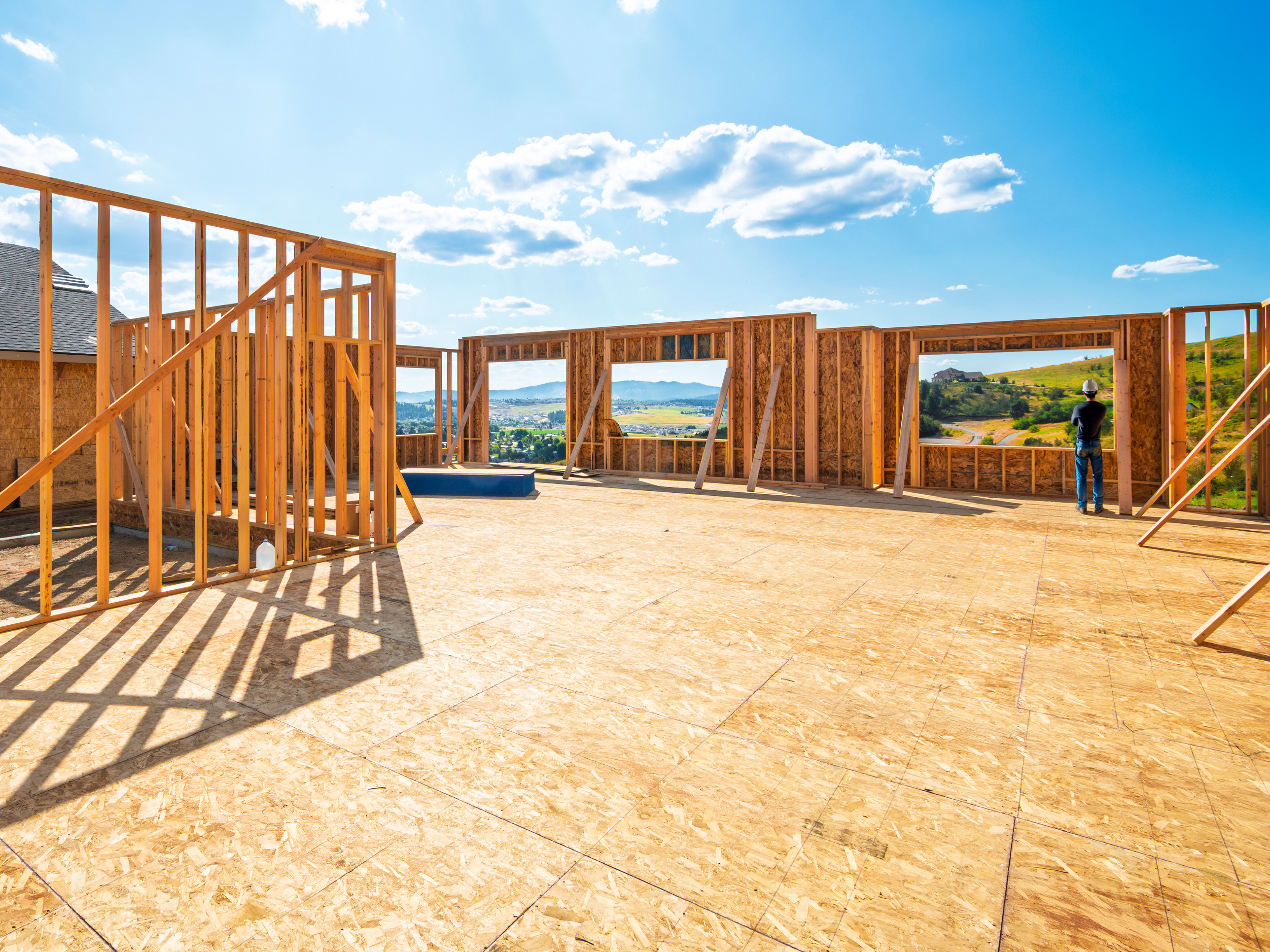
Thinking about building new in SE Wisconsin? Give us a call to discuss your options!