
Why Pantries Are the Star of 2025 Kitchens
Pantry ideas 2025 are all about smarter storage, cleaner countertops, and kitchens that shift easily from family meals to entertaining. Many Wisconsin homeowners are asking Redleaf Homes if they should build a walk-in pantry, a prep kitchen, or both. The answer depends on how you cook, how you entertain, and how you want your everyday kitchen to feel and function. In this guide, we break down the differences, share trending design ideas, and help you find the right fit for your custom home.
Walk-In Pantry vs Prep Kitchen vs Both
What is a Walk-In Pantry?
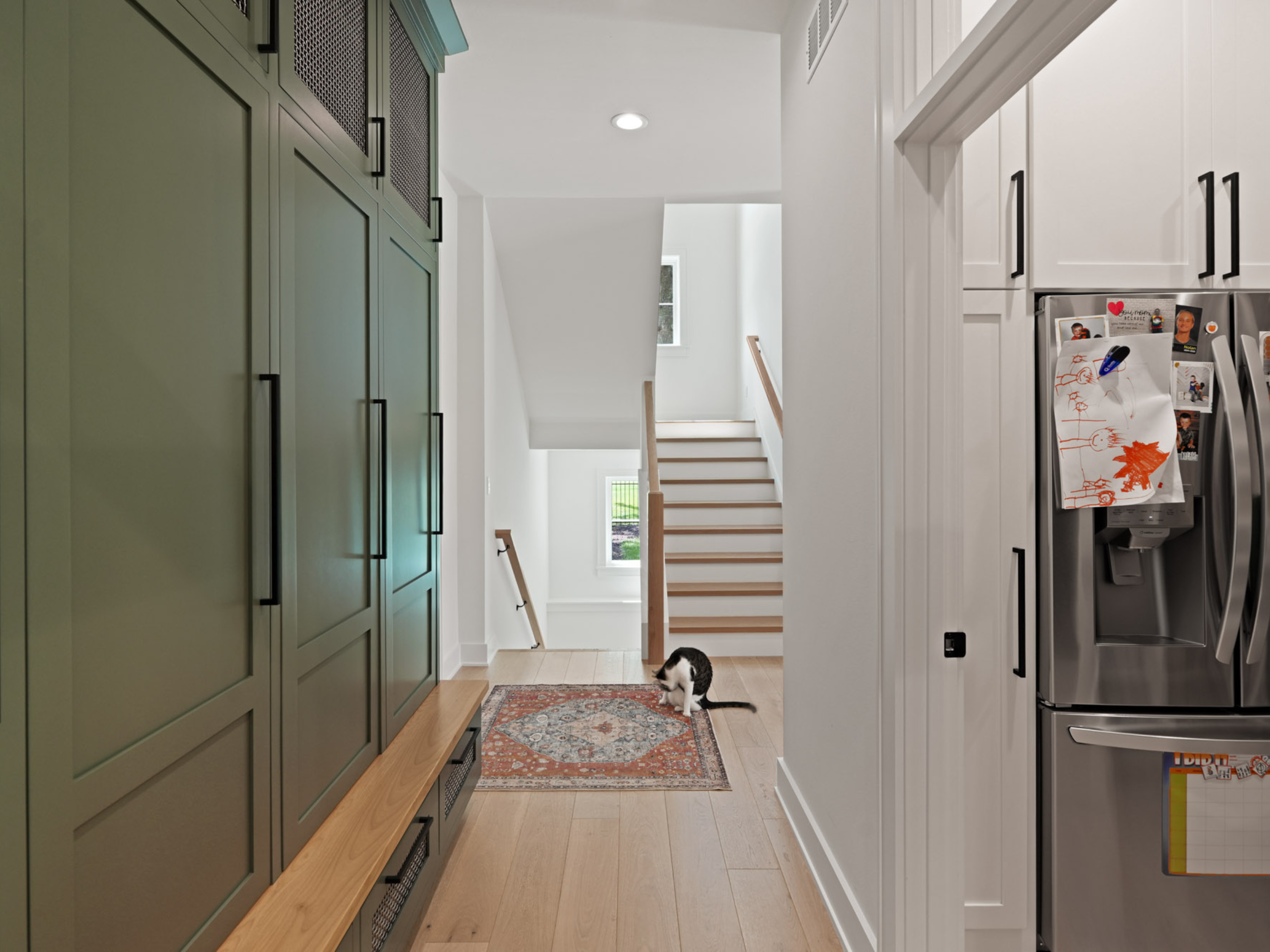
A walk-in pantry is a dedicated room or alcove for food storage, small appliances, and bulk goods. It keeps staples organized and visible so your kitchen stays clear of clutter. Typical features include open shelves, pull-out drawers for snacks and cans, and sturdy space for appliances like slow cookers or air fryers. With Redleaf Homes, you can tailor shelf depths, lighting, and door style to match your kitchen design and your storage habits.
What is a Prep Kitchen?
A prep kitchen is a hardworking secondary kitchen tucked behind or next to the main one. It usually includes counters, a sink, storage, and often a dishwasher or undercounter refrigerator. Many homeowners also add a wall oven or microwave drawer to keep reheating and baking out of the main kitchen. Think of it as a behind-the-scenes space where you can chop veggies, hide dirty dishes, and stage meals while your main kitchen stays photo ready.
Should You Choose Both?
If you love to entertain or have a busy household, having both can be a game changer. The walk-in pantry manages dry goods and bulk buying, while the prep kitchen handles heavy lifting like food prep, dishwashing, and coffee service. In larger Wisconsin homes, Redleaf Homes often pairs a compact walk-in pantry with a modest prep kitchen for the best of both worlds.
Pros and Cons at a Glance Of Pantry Ideas 2025
Walk-In Pantry: Benefits and Tradeoffs
- Great visibility and organization for food and snacks
- Reduces visual clutter in the main kitchen
- Flexible shelves and bins fit changing needs
- Lower cost compared to a full prep kitchen
- Limited task space unless you add a counter and outlets
- Less useful for entertaining if it lacks a sink or dishwasher
- Can be underused if not zoned and labeled well
Prep Kitchen: Benefits and Tradeoffs
- Ideal for entertaining and keeping mess out of sight
- Extra sink, counters, and appliances speed up prep
- Creates a clean, uncluttered main kitchen
- Higher cost due to plumbing, electrical, and finishes
- Needs more space and good ventilation
- Can feel isolated without smart layout and flow
Layout Tips for Wisconsin Custom Homes
Smart Space Planning
- Aisles: Aim for 42 to 48 inches of clearance in a prep kitchen. For a walk-in pantry, 36 inches can work for a single aisle.
- Door styles: Pocket doors or swing-out doors prevent blocking shelves. For glass doors, add interior lighting to show off organization.
- Shelf depths: 12 to 14 inches for food so items do not get lost. Reserve deeper shelves for appliances and bulk goods.
- Counter space: Plan at least 24 to 36 inches of counter in a prep kitchen for chopping and staging. In a pantry, add a 24 inch landing for heavy appliances.
- Trash and recycling: Include pull-out bins near the prep sink and inside the pantry for easy cleanup.
- Traffic flow: Place the prep kitchen behind the main kitchen or along a back hall. Keep entries wide enough for trays and platters.
Zoning for Easy Use
- Dry storage zone for cans, snacks, and baking supplies
- Bulk zone for paper goods, pet food, and extra beverages
- Appliance zone for mixers, toasters, and air fryers
- Prep zone with a sink, cutting boards, knives, and towels
- Beverage zone with a coffee maker, grinder, and mini fridge
- Cleaning zone with soap, cloths, and paper towels
Materials That Handle Wisconsin Living
Wisconsin homes experience temperature swings and humidity. Redleaf Homes helps you pick materials that look great and hold up well in every season.
- Cabinetry: Furniture grade plywood boxes with durable finishes resist moisture better than low cost particleboard.
- Shelving: Plywood or high pressure laminate shelves outperform thin melamine. Add edge banding for a clean, long lasting look.
- Countertops: Quartz is low maintenance and ideal for prep. Butcher block is warm and great for secondary counters if you maintain it.
- Flooring: Luxury vinyl plank or tile stands up to spills, boots, and pet traffic. Use cushioned mats in standing zones.
- Walls: Semi-gloss paint is easier to wipe clean. Add a backsplash behind the prep sink.
- Hardware: Sturdy pulls and shelf supports handle heavy use. Choose D-shaped pulls for easy grip.
Lighting, Outlets, and Ventilation
Good light and power are the backbone of a successful pantry or prep kitchen. Plan them early in your custom home design.
- Lighting: Combine overhead cans, under-cabinet task lights, and motion-activated strips on shelves. Choose 3000K to 3500K for warm, clear light.
- Outlets: Put outlets at counter height and inside appliance garages. Consider a charging drawer for phones and tablets.
- Circuits: High draw appliances like microwaves or espresso machines may need dedicated circuits. Coordinate with your builder and electrician.
- Ventilation: A prep kitchen with a cooktop needs a vent hood. Even without a cooktop, a quiet exhaust fan helps remove heat and odors.
- Door seals: If you fry or cook strongly scented foods, consider a solid door and better ventilation to protect the main kitchen.
Appliances and Tech Worth Considering in 2025
- Microwave drawer or speed oven that frees up countertop space
- Secondary dishwasher drawer for quick cleanup after parties
- Undercounter beverage fridge for kids and guests
- Freezer drawers for meal prep and bulk buying
- Induction cooktop in the prep kitchen for safe, fast cooking
- Built-in coffee station with plumbed water line
- Appliance garage with pocket doors to hide mixers and toasters
- Motion sensors for lights to save energy and add convenience
- Pantry inventory system using labels and QR codes to track staples
- Filtered water faucet in the prep zone for cooking and coffee
Style Trends Shaping Pantry Ideas 2025
- Warm whites and soft greens that calm busy spaces
- Natural wood shelves paired with painted cabinets for depth
- Reeded or textured glass doors to obscure clutter while adding style
- Stone or quartz backsplashes behind the prep sink for easy cleaning
- Statement hardware in soft brass or matte black
- Open storage balanced with closed cabinets so everything has a home
- Decorative bins and clear canisters that are practical and beautiful
- Library rails or step stools that match cabinet finishes
- Quiet close hinges and drawer slides for a luxury feel
Healthy, Sustainable Choices
Many Wisconsin homeowners want kitchens that are better for their families and the environment. Redleaf Homes can guide you through smart selections.
- Low VOC paints and cabinet finishes for better indoor air quality
- Energy Star appliances and LED lighting to reduce power use
- Compost and recycling stations built into cabinetry
- Bulk storage for grains and snacks to cut down on packaging
- Water filtration at the prep sink
- Durable materials that last for decades and reduce waste
Designing for Accessibility and Aging in Place
- Wider 36 inch doorways and clear floor space for easy movement
- 34 inch high work counters or adjustable surfaces for comfort
- Pull-out shelves and drawers to bring items within reach
- D-shaped pulls and lever handles that are easy to grip
- Toe-kick drawers for tray and baking sheet storage
- Bright, shadow-free task lighting in prep zones
Budget Considerations
Costs vary based on size, finishes, and appliances. A simple walk-in pantry with open shelves is typically more affordable than a full prep kitchen with plumbing and major appliances. During your design consultation, Redleaf Homes will align your wishlist with budget and suggest phased upgrades so you can plan well.
- Drivers of cost: plumbing, electrical, and ventilation
- Cabinet choices: custom vs semi-custom affects price and timeline
- Countertop materials: laminate, butcher block, quartz, or stone
- Appliances: secondary dishwasher, oven, or beverage fridge
- Door types: pocket doors and glass panels require careful installation
- Lighting: layered lighting is worth the investment for daily comfort
Mistakes to Avoid
- Too deep shelving for food, which hides items and causes waste
- No landing space near the prep sink or ovens
- Not enough outlets for appliances and charging
- Ignoring ventilation in a prep kitchen
- Skipping labels and zones, which leads to clutter
- Overlooking trash and recycling placement
- Doors that swing into shelves and block access
- Choosing finishes that are hard to clean in a high use area
Real-Life Scenarios for Wisconsin Lifestyles
Lake Country Entertainer
You host game days and holiday dinners. A compact walk-in pantry holds bulk snacks, drinks, and serving platters. A prep kitchen with a dishwasher drawer, microwave drawer, and beverage fridge keeps the party flowing while your main kitchen stays spotless. Add a warming drawer for potlucks and a coffee bar for brunch. Redleaf Homes often tucks this setup behind the kitchen with two access points for easy flow.
Busy Family in Waukesha
You want grab-and-go snacks and weeknight speed. A generous walk-in pantry with labeled bins for kids, a cereal station, and a small counter for lunch boxes will change your mornings. Add an appliance garage and outlets so the toaster and blender live off the main counter. If space allows, a petite prep zone with a single sink and pull-out trash makes cooking and cleanup faster.
Northwoods Retreat
You split time between home and cabin and buy in bulk. A deep pantry with adjustable shelves, freezer drawers, and durable flooring is your friend. Choose finishes that hide dust and handle boots. Consider a prep nook with a second fridge and sturdy counters for fish fry nights and family gatherings. Redleaf Homes designs these spaces for easy maintenance and seasonal use.
How Redleaf Homes Designs Your Perfect Pantry or Prep Kitchen
Since 2011, Redleaf Homes has helped Wisconsin homeowners plan kitchens that are beautiful, efficient, and personalized. From New Berlin to Lake Country and the Northwoods, our team manages design, planning, building, remodeling, and additions with clear communication and careful budgeting. Here is how we bring pantry ideas 2025 to life.
- Discovery: We learn how you cook, shop, and entertain so we can recommend a walk-in pantry, a prep kitchen, or both.
- Space Planning: We map zones, aisles, doors, outlets, and lighting that fit your daily routine.
- Selections: You choose cabinetry, shelves, countertops, hardware, and appliances with guidance on durability and maintenance.
- Visualization: We provide drawings and 3D views so you can see how everything works together.
- Engineering: Our team coordinates plumbing, electrical, ventilation, and insulation for comfort in every season.
- Permitting and Schedule: We handle details and keep you informed at every step to avoid surprises.
- Build and Install: Skilled craftspeople deliver the fit and finish Redleaf Homes is known for.
- Final Walkthrough: We fine-tune storage, labeling, and lighting so your new space works from day one.
Redleaf Homes is based at 17035 W Greenfield Ave, New Berlin, WI. We serve New Berlin, Waukesha, Pewaukee, Delafield, Oconomowoc, Lake Country, and surrounding areas. Call 262-599-8061 to talk through your goals and budget.
FAQs About Pantry Ideas 2025 in Wisconsin
- What is the biggest difference between a walk-in pantry and a prep kitchen? A walk-in pantry focuses on storage and visibility. A prep kitchen adds counters, a sink, and often appliances for hidden prep and cleanup.
- How much space do I need for a walk-in pantry? Many homes can fit a 5 by 6 foot pantry with 12 inch shelves. If you have more space, add deeper shelves for appliances and a small counter.
- Do I need a window in a pantry? Not required, but a window adds light and helps with ventilation. If there is no window, plan layered lighting and an exhaust fan for prep kitchens.
- Is a prep kitchen worth it if I do not host big parties? If you value clear counters, quick cleanup, or separate coffee and smoothie zones, a small prep kitchen can be worth it even for daily use.
- What shelves are best for heavy items? Plywood or high pressure laminate shelves with sturdy supports work best. Avoid thin particleboard for bulk goods.
- Can I add a prep kitchen in a remodel? Yes. Redleaf Homes often finds space by reworking a mudroom, enlarging a hallway, or borrowing from an oversized dining area.
- How do I keep a pantry organized long term? Zone by use, use clear bins and labels, limit shelf depth for food, and plan a monthly reset. Good lighting makes it easier.
- What finishes are easiest to clean? Satin or semi-gloss paint, quartz counters, and durable cabinet finishes simplify upkeep.
- Does a prep kitchen need a vent hood? If it includes a cooktop or range, yes. Even without a cooktop, an exhaust fan helps with heat and odors.
- Will a pantry or prep kitchen add value to my home? Buyers appreciate great storage and clean kitchen lines. Well designed spaces often boost appeal and function, which can support resale value.
Ready to Explore Pantry Ideas 2025 With Redleaf Homes?
If you are weighing a walk-in pantry, a prep kitchen, or both, Redleaf Homes can design a solution that fits your life and your budget. Our team brings craftsmanship, planning, and clear communication to every project so your custom kitchen is efficient, beautiful, and stress free. Call 262-599-8061 or visit us at 17035 W Greenfield Ave, New Berlin, WI to start a conversation. Let us bring your pantry ideas 2025 to life in a home that feels truly yours