
Open Concept vs Cozy Rooms: Which Layout Will Drive You Less Crazy in Winter?
Open concept vs closed floor plan: Discover which layout keeps you saner in winter, with pros, cons, and cozy tips. Compare now and choose your best fit—read on!
When the temperature drops, the snow piles up, and the kids are home more often, the way your home is laid out matters a lot. Your floor plan can make winter feel peaceful and cozy, or it can add to the cabin fever. The debate of open concept vs closed floor plan gets louder in the colder months, especially here in Wisconsin. At Redleaf Homes, we design and build custom homes across Southeastern Wisconsin and the Northwoods, and we hear this question all the time: which layout will drive you less crazy in winter? The answer depends on your habits, your family, and your goals. Let’s break it down so you can make a choice you will love in every season.
Understanding the Debate: Open Concept vs Closed Floor Plan
What is an open concept layout?
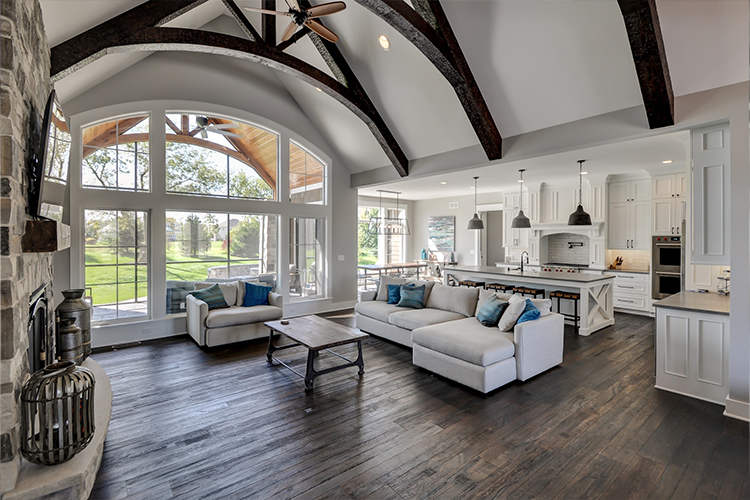
An open concept layout blends common areas to create a large, connected space. Kitchens, dining rooms, and living rooms often flow together with minimal walls. You get clear sightlines, easy conversation, and a bright, airy feel. Furniture and rugs define zones, but there are fewer doors and partitions to slow movement or block views.
What is a closed floor plan?
A closed floor plan uses more walls and doors to divide rooms. Each space has a dedicated use and its own boundaries. You get privacy, separation, and better control over temperature and noise. With smart design, a closed floor plan can still feel open and welcoming while giving you the option to shut a door when needed.
Winter Realities in Wisconsin: How Layout Affects Daily Life
Heating and energy use
Winter energy bills are no joke. In an open concept, the air is shared across a larger volume. That can make it harder to keep the space warm without cranking the heat. Warm air spreads out and may drift up to a loft or stairwell. In a closed floor plan, smaller rooms are easier to heat and can be kept at different temperatures. You can close doors to contain warmth where you spend the most time.
Light and mood
Winter days are short, so natural light is gold. Open layouts often let sunlight travel farther through the home, which boosts mood. Closed layouts can block light, but thoughtful window placement, glass doors, and lighter paint can brighten things up. Redleaf Homes designs often blend the best of both, using wider openings and glass to move light while preserving cozy corners.
Noise and privacy
Sound carries in open spaces. If someone is blending a smoothie while another person is on a work call, the whole house may hear both. Closed layouts give you quiet rooms for study, work, or naptime. If you have teens, musicians, or a work-from-home schedule, the ability to shut a door is priceless in winter when everyone is inside more.
Smells and clutter
Cooking odors travel easily in open spaces and can linger in upholstery. A closed kitchen with a good door and ventilation contains smells better. Clutter also feels louder in an open concept because it is more visible. Closed rooms let you hide messes until you are ready to tidy up, which can lower stress during busy winter weeks.
Pros and Cons: Open Concept vs Closed Floor Plan in Winter
Open concept winter benefits
- More natural light across the main level
- Easier socializing during gatherings and game nights
- Better sightlines for supervising kids while cooking
- Flexible furniture layout for holiday decor and a tree
- Feels larger than the square footage
Open concept winter trade-offs
- Harder to heat evenly without zoning or supplemental heat
- More noise from kitchen appliances and conversations
- Cooking smells spread and stick
- Clutter is always in view
- Fewer private spaces for calls, homework, or hobbies
Closed floor plan winter benefits
- Better heat control and energy efficiency room by room
- Noise reduction for work, study, and sleep
- Odors contained with proper doors and vents
- Cozy rooms that feel snug in cold weather
- Dedicated spaces for hobbies and storage
Closed floor plan winter trade-offs
- Less natural light moving through the main level
- Smaller rooms can feel cramped without smart design
- Harder to host large gatherings without opening doors
- More walls can mean less flexibility for furniture
- You may need human traffic planning to avoid tight hallways
Which Layout Will Drive You Less Crazy? A Quick Winter Quiz
- Do you love large holiday gatherings or game nights with everyone in one room? If yes, lean open concept.
- Do you work from home or take frequent calls? If yes, lean closed floor plan.
- Do you cook often with strong spices or fry foods? If yes, lean closed or semi-closed kitchen.
- Do short winter days make you crave bright, airy spaces? If yes, lean open concept.
- Do you prefer lower heating bills and warm rooms fast? If yes, lean closed floor plan with doors.
- Do you have young kids you need to watch while you cook? If yes, lean open concept or semi-open.
- Do you have a musician, gamer, or teenager who needs quiet? If yes, lean closed floor plan.
- Do you like a tidy look and want to hide clutter? If yes, lean closed or hybrid layout.
- Do you plan to age in place and want simple circulation? If yes, open concept or wide semi-open spaces.
- Do you want ultimate flexibility for future changes? If yes, consider a hybrid plan with movable partitions.
If you answered yes more often to the odd numbers, an open concept may suit you. If you answered yes more often to the even numbers, a closed floor plan might be the calmer choice for winter. Many families land in the middle, which is where hybrid design shines.
Hybrid Layouts: The Best of Both Worlds
Smart separations without losing openness
Redleaf Homes often designs semi-open spaces that balance connection and control. You can frame wider cased openings between the kitchen and living room, add glass pocket doors that close when needed, or use half walls and columns to define zones. A glass panel or French door lets light move while blocking sound. Transoms above doorways can share light between rooms without losing the ability to close a door.
Zoning for comfort and cost control
Heating and cooling systems can make or break winter comfort. Two-zone or multi-zone HVAC gives you control over different areas. You can keep the family room warmer than the mudroom or close off a guest suite until needed. Smart thermostats and room sensors help fine-tune comfort and keep costs down. Redleaf Homes can plan for zoning, insulation upgrades, and air sealing to make any layout efficient.
Furniture and lighting as space makers
Even in an open concept, you can create a cozy vibe. Place sofas back to back to separate a TV area from a reading area. Use area rugs to anchor zones. Layer lighting with recessed lights, pendants over the island, floor lamps in corners, and dimmers for mood. In a closed layout, use consistent flooring and lighter paint colors across rooms to keep a visual flow so spaces feel connected without removing walls.
Cozy Tips to Improve Each Layout for Winter
Make an open concept feel warm and calm
- Add a double-sided fireplace between living and dining zones for heat and ambiance.
- Use tall bookcases or a console table behind a sofa to create a subtle boundary.
- Invest in a strong range hood vented outside to control cooking odors.
- Bring in soft textures with plush rugs, layered throws, and heavy curtains.
- Use room dividers like sliding barn doors or glass partitions for temporary privacy.
- Set up a small workstation nook with acoustic panels for calls.
- Consider radiant floor heating in the great room to offset heat loss and keep toes warm.
Make a closed floor plan brighter and more connected
- Widen doorways between key rooms to share more light.
- Install glass doors on dining or office rooms to block noise but keep the line of sight.
- Use mirrors across from windows to bounce daylight deeper into the room.
- Switch to lighter paint colors with warm undertones to fight winter gloom.
- Create a snack and beverage station in a den so you are not always walking to the kitchen.
- Add undercut door bottoms or transfer grilles to help airflow between rooms.
- Build window seats with storage to add charm and function in smaller rooms.
Real-Life Scenarios to Guide Your Choice
Young families with active kids
An open concept simplifies supervision and playtime. Parents can cook while watching kids build a fort nearby. For sanity in winter, add a pocket door to close the play zone in the evening, use washable rugs, and include a built-in bench with bins to catch toys. A hybrid plan is often best here.
Work-from-home professionals
If your home office is vital, a closed floor plan or at least one fully enclosed office will save your focus. A glass door keeps you connected while blocking noise. Consider soundproofing in walls. Redleaf Homes often places the office away from the kitchen for a quieter workspace.
Multi-generational living
Privacy and accessibility matter. A closed suite with its own bath works well. Shared areas can be semi-open for together time. Add wider openings, smooth transitions between rooms, and a seating layout that supports conversation without forcing everyone into one space all day.
Empty nesters and cozy seekers
For couples, smaller rooms that heat quickly feel great all winter. A snug den with a fireplace, a quiet reading room, and a dining room for intimate dinners make a closed layout very appealing. Keep one larger space for hosting family when they visit, but enjoy everyday comfort in smaller rooms.
Resale and Local Market Factors in Southeastern Wisconsin
Buyers in Waukesha, Pewaukee, Delafield, Oconomowoc, and Lake Country look for great natural light, quality finishes, and efficient HVAC. Open layouts still photograph well and attract attention. That said, many local buyers now value a dedicated office and a separate den or flex room after recent work-from-home shifts. A hybrid plan often ranks highest for resale because it offers choice. In colder climates, energy performance matters too. Better insulation, airtight construction, and well planned mechanicals raise comfort and value in both open and closed designs. Redleaf Homes can advise on features that make sense for your lot, your budget, and local trends.
Building or Remodeling With Redleaf Homes
How we help you decide
Since 2011, Redleaf Homes has worked with homeowners to shape floor plans around real life. We start by listening to how you live in winter, not just in summer. Do you host frequently? Do you need quiet zones for work or study? Do pets, hobbies, or sports gear take up space? Our team translates your answers into a layout that matches your daily routine.
Our services
- Custom Home Design tailored to your style and needs
- Home Planning that maps your ideas into a functional plan
- Home Building with clear communication from start to finish
- Home Remodeling to update layouts for modern living
- Home Additions that blend seamlessly with your current home
Planning that prevents surprises
Clear plans reduce stress and keep budgets in check. Redleaf Homes invests time upfront to reduce delays, spot conflicts early, and coordinate trades. Through regular updates, you always know what is happening and why. Whether we are removing a wall to open your kitchen or adding doors to shape a quiet den, our craftsmanship and attention to detail show in every finish.
Service areas and contact
We serve New Berlin, Waukesha, Pewaukee, Delafield, Oconomowoc, Lake Country, and surrounding communities, plus the Northwoods. Ready to explore open concept vs closed floor plan for your home? Visit Redleaf Homes at 17035 W Greenfield Ave, New Berlin, WI, or call 262-599-8061 to start your project. Our team is here to make winter feel better inside your home.
FAQs: Open Concept vs Closed Floor Plan in Winter
Is open concept going out of style?
Not exactly. Open concept is evolving. Many homeowners want connection but also need a quiet room for work or hobbies. The current trend is a thoughtful hybrid that keeps the main living spaces open while including at least one enclosed flex room.
Which layout is more energy efficient in cold weather?
Closed floor plans are easier to heat room by room. With an open concept, you can match that efficiency by adding zoning, better insulation, and strategic heating like radiant floors. Redleaf Homes can model options to find the best approach for your budget and comfort goals.
Can a closed layout still feel bright?
Yes. Wider openings, glass doors, larger windows, and lighter finishes can move light through rooms. Thoughtful lighting design also makes a big difference during the darkest months.
What if I like open space but hate noise?
Use soft finishes to absorb sound. Add rugs, curtains, upholstered furniture, and acoustic panels. Include a separate den or pocket door system for calls or music practice. With the right materials, open spaces can be quieter than you think.
Will removing a wall help resale?
Sometimes. If you remove one wall to create a larger kitchen and living area but keep a nearby room as a den or office, you may please more buyers. Local trends matter. Redleaf Homes can review comparable homes in your area and advise on the best strategy.
Final Takeaway
There is no one right answer in the open concept vs closed floor plan discussion. If you crave light, togetherness, and flexible hosting, open concept will likely feel right. If you want quiet, control over heat, and tidy rooms, a closed layout offers peace of mind in winter. Many families choose a hybrid that blends both. The best plan is the one that reflects your daily routines and your idea of comfort. Redleaf Homes brings personalized design, careful planning, and quality building to every project so your home feels calm, warm, and welcoming all winter. When you are ready to explore your options, visit us at 17035 W Greenfield Ave, New Berlin, WI, or call 262-599-8061. Let’s design a home that keeps you sane all season long and makes every winter day feel a little brighter.