
Why Soil and Septic Matter for a Custom Home in Kenosha
Planning a custom home in Kenosha is exciting. You picture the kitchen you always wanted, a cozy living room, and a yard that fits your lifestyle. Yet two unseen pieces will shape your budget, your timeline, and how your home lives for years to come. Soil conditions and septic design are the foundation under every foundation. When handled early and correctly, they protect your build from costly surprises. When ignored, they can delay permits, drive up costs, or force last minute plan changes. This guide explains how soil tests and septic systems work, what to expect in Southeastern Wisconsin, and how Redleaf Homes makes the process predictable and stress free.
What a Soil Test Really Tells You
A soil test is more than a formality. It tells your builder and designer what the ground can support, how water moves on your site, and what type of septic system your property will allow. In Kenosha County and across Southeastern Wisconsin, different soils can sit right next to each other. Sand, loam, clay, and pockets of silt are common, often over a layer of glacial till. A good test turns those unknowns into a clear plan.
Perc tests and soil borings
Two common tests help guide design. A percolation test, or perc test, measures how fast water drains through the soil. The result affects the type and size of the septic system. Soil borings dig a small hole to log the layers of soil, the depth to groundwater, and any limiting layers like clay or bedrock. In Wisconsin, a licensed soil tester prepares a formal site evaluation. Redleaf Homes coordinates this work early so you know what you are working with before finalizing your plan.
Seasonal groundwater and setbacks
Groundwater levels change with seasons. Tests look for signs of a high water table such as mottling in the soil. Designers need adequate vertical separation between the bottom of the septic field and groundwater. Setbacks from property lines, wells, wetlands, and lakes also apply. Kenosha County follows Wisconsin state code, and local staff verify the design before permits are issued. Getting this right prevents delays and changes later.
Red flags in Southeastern Wisconsin soils
Clayey soils can drain slowly, which may push a design toward a mound system rather than a traditional trench system. Shallow bedrock can limit the depth of drain fields and basements. Low, flat sites can hold surface water after storms. None of these are deal breakers, but they affect cost and layout. When Redleaf Homes reviews a site, we look for these clues. We then outline options that fit your budget and schedule.
Septic Systems 101 for Rural and Suburban Lots
If your custom home in Kenosha will be outside a municipal sewer service area, you will need a private onsite wastewater treatment system. The design must match your soil conditions, lot constraints, and household size. Here are the most common systems in our region.
Conventional and mound systems
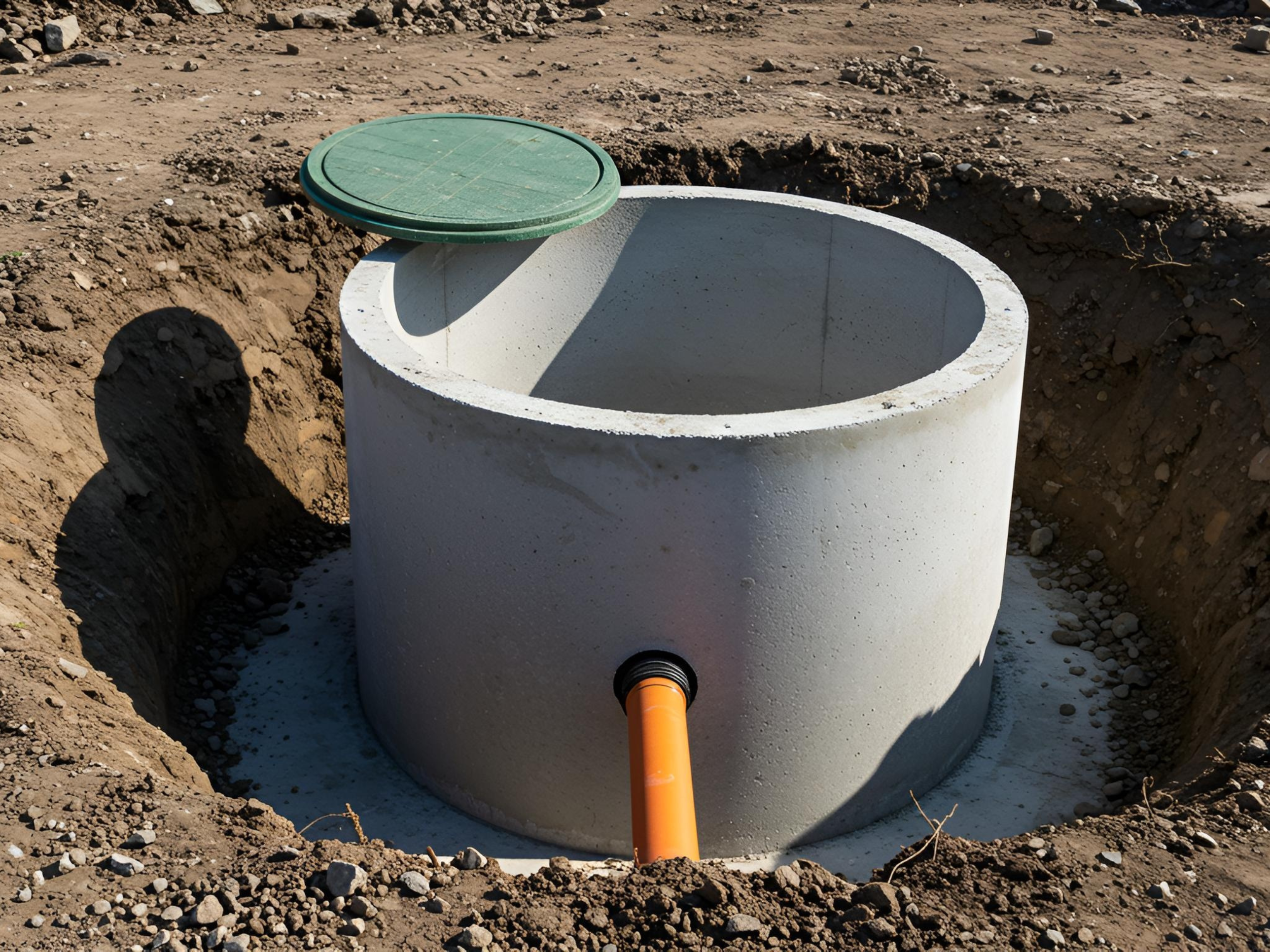
A conventional system includes a septic tank and a drain field of trenches in suitable soil. It is often the most cost effective option, but only works where the soil drains well and groundwater is deep enough. A mound system raises the drain field above natural grade with engineered sand and a distribution bed. Mounds are common in areas with higher water tables or slower soils and perform very well when designed and maintained correctly.
Advanced treatment units and holding tanks
Advanced treatment units use aerobic treatment to pre-treat wastewater before it reaches the soil. They can help on challenging sites but add equipment and maintenance. Holding tanks store wastewater for regular pumping. They are usually reserved for sites that cannot support a code compliant treatment system. Redleaf Homes works with licensed designers to weigh pros and cons before you commit.
Septic sizing and siting rules you should know
The number of bedrooms drives septic sizing because it estimates daily flow. The design must include a primary area and often a reserve area for future replacement. Setbacks from property lines, wells, and water bodies are non-negotiable. The system needs workable access for service trucks. Snow removal, landscaping, and future decks or additions should be planned with the system location in mind. A thoughtful plan now prevents headaches later.
Maintenance facts
Private systems work for decades when you pump the tank on schedule and keep surface water away from the field. Avoid planting trees with aggressive roots near the system. Do not drive heavy vehicles over the field. Redleaf Homes provides a homeowner care guide after move in so you know how to protect your investment.
The Redleaf Homes Approach
Redleaf Homes, founded in 2011 and based in New Berlin, Wisconsin, is a premier custom home builder with a simple promise. We deliver personalized design, careful planning, and craftsmanship that reflects your life. That same level of care applies to soil and septic, because the best homes start with the best groundwork.
Early site walk and feasibility
Before you finalize your lot or your floor plan, our team walks the site with you. We look at slopes, drainage paths, driveway options, and possible house locations. If you are planning a custom home in Kenosha, we explain how local rules and soil realities may affect the layout. This is the time to flag anything that could add cost or delay permits.
Coordination with soil testers and designers
We coordinate licensed soil testing, surveys, and septic design, then bring the findings back to you in plain language. You will know whether a conventional or mound system fits your lot, where it will sit, and how it may change grading or elevation. We manage permit submissions and keep communication open with county staff.
Clear budgets and allowances
Soil and septic can be a source of surprise costs when they are left for later. Redleaf Homes builds realistic allowances into your budget. If testing shows a different path, we explain options and pricing before proceeding. You choose with confidence, and your schedule stays on track.
Step by Step: From Raw Land to Approved Septic Plan
- Initial conversation. Share your goals, timing, and preferred areas. If you are eyeing a custom home in Kenosha, we discuss local specifics up front.
- Site visit. We walk the property to review access, buildable area, and likely house and septic locations.
- Order surveys and soil tests. We coordinate with trusted professionals to gather the data we need to design.
- Preliminary design. We align the floor plan, garage location, and grading with the septic concept and driveway layout.
- Septic design. A licensed designer creates a system that fits the soil report and setback rules, including a reserve area.
- Budget confirmation. We update your budget with actual design details and review any options.
- Permit submission. We submit the septic design and building plans to the county and track approvals.
- Construction start. With permits in hand and the plan set, excavation begins with confidence.
- Installation and inspections. The septic system is installed by a licensed contractor and inspected before backfill.
- Final orientation. Before move in, we review maintenance schedules and site care to protect your system.
Common Myths and Costly Mistakes to Avoid
- Myth: Any lot can use a conventional system. Facts: Soil, slope, and groundwater often point to a mound or advanced system instead.
- Mistake: Finalizing floor plans before soil testing. Fix: Test first so bedroom count and layout match septic capacity and setbacks.
- Mistake: Placing the house in the lowest part of the lot. Fix: Build on higher ground and direct water away from the home and the septic area.
- Myth: Bigger is always better for septic size. Facts: Oversizing beyond code offers little benefit and can add cost.
- Mistake: Ignoring driveway and service access. Fix: Plan for pump truck access that does not cross over the drain field.
- Mistake: Landscaping with deep rooted trees over the system. Fix: Use shallow rooted plants and keep trees at a safe distance.
- Myth: You can skip pumping if everything seems fine. Facts: Regular pumping protects the drain field and extends system life.
Budgeting and Timeline Expectations
Costs vary based on soil conditions, system type, and site grading. Conventional systems tend to cost less than mound or advanced systems. Engineering, permits, and inspections are part of the total. Weather can affect when tests are done and when installation occurs. With Redleaf Homes, you will see these items in your budget from the start. No surprises. Just clear numbers and firm next steps.
Timeline overview
Site evaluation and soil testing can often be scheduled within a few weeks. Septic design usually follows once test results are in, and permits are submitted after design review. In many cases, septic permits align with building permits to keep the schedule tight. Winter can add time because frozen ground makes testing and installation harder. Planning ahead helps avoid seasonal delays.
Factors that influence price
Soil type, depth to groundwater, lot shape, and topography all play a role. A long force main or a lift pump may be required on some sites. Driveway location and house placement can change the amount of grading needed. Redleaf Homes works to balance these items so the finished site looks great and works well without overspending.
How Soil and Septic Shape Your Floor Plan
Soil and septic design do more than meet code. They affect how your home sits on the land and how it feels day to day. If the site calls for a mound system, we may shift the house or garage to maintain a generous yard. Bedroom count affects septic size, so we confirm plans before you add a bonus room. Utilities like well and septic need space, which guides where decks, patios, and pools can go. Redleaf Homes collaborates with you to protect your wish list while keeping the site functional and beautiful.
Basement and elevation choices
Soil reports help decide if a full basement, lookout, or walkout fits your lot. High water tables might suggest a higher finished floor or extra drainage details. Good grading prevents water from pooling near the foundation. These choices add comfort and protect your home for the long term.
Water management that works
We design roof water and surface drainage to move away from the house and the septic field. Sump discharge routes are planned to avoid saturating soils in sensitive areas. Where appropriate, we discuss radon systems during the planning phase. Smart details like these keep the unseen parts of your home working quietly in the background.
Local Considerations in Kenosha County and Nearby
Kenosha County blends rural land, lake areas, and growing suburbs. That means a mix of soils, setbacks, and review timelines. Near lakes and wetlands, setbacks are stricter, and groundwater can be higher. In western parts of the county, soils may drain better but vary by site. If you are comparing lots, a quick call to Redleaf Homes can save time. We also serve New Berlin, Waukesha, Pewaukee, Delafield, Oconomowoc, Lake Country, and Northwoods areas, so we can share insight from similar sites across Southeastern Wisconsin.
Comparing Southeastern Wisconsin and the Northwoods
Northwoods properties can bring rock and slope into play. Lake Country lots may have more zoning layers tied to shoreland rules. Kenosha area lots can shift from sandy to clayey soils within short distances. The steady approach is the same. Test early, design smart, and plan with the land. Redleaf Homes has delivered that formula since 2011.
Questions to Ask Before You Buy a Lot
- Is the property on municipal sewer, or will I need a private septic system?
- Has a soil test or site evaluation been done in the last few years?
- Where could the house, driveway, well, and septic system fit on the lot?
- Are there wetlands, floodplains, or steep slopes on or near the site?
- What are the county and town setbacks for wells and septic systems?
- How many bedrooms do I plan for now, and could that change later?
- Where will service trucks access the septic tank for pumping?
- Does the neighborhood have known soil or water challenges?
- Who will coordinate permits and inspections for soil and septic?
- What allowances are included in the builder’s budget for soil and septic?
Why Choose Redleaf Homes
Redleaf Homes is known for exceptional craftsmanship, customer focused service, and one of a kind homes that reflect each client’s lifestyle. We offer custom home design, home planning, home building, home remodeling, and home additions. Our process is built on careful planning to avoid unexpected delays or costs. When you are building a custom home in Kenosha, you need a partner who can look ahead and protect your budget while keeping your goals front and center.
- Personalized design that fits your family, your lot, and your budget.
- Early site and soil review to prevent expensive surprises.
- Experienced coordination with licensed soil testers and septic designers.
- Transparent budgets and clear communication from start to finish.
- Local knowledge across New Berlin, Waukesha, Pewaukee, Delafield, Oconomowoc, Lake Country, Kenosha County, and beyond.
- Proven craftsmanship in both new builds and thoughtful remodels.
Real World Example: Turning Constraints Into a Better Plan
A recent client searched for land suited for a custom home in Kenosha. The favored lot had a high water table in spring. Initial hopes for a conventional system were not realistic. After soil testing, we mapped a mound system that protected the site and allowed a south facing backyard. We slightly raised the home’s finished floor for better drainage and added a lookout basement for natural light. The septic location guided a compact driveway and a patio with views. What looked like a constraint became a better design. With planning, the unseen parts supported the dream, not the other way around.
Your Next Steps
If you are early in your search, start with a quick consult. Share your wish list, budget goals, and target area. We will outline a plan for soil testing and site feasibility so you can compare lots with confidence. If you already own land, we can schedule testing and design to align with your timeline. The sooner you know the facts underfoot, the easier the rest of the design comes together.
Ready to Plan Your Custom Home in Kenosha?
Build with a team that treats soil and septic as the foundation of a smooth project. Redleaf Homes brings the right experts to your site, explains findings in plain terms, and designs a home that feels right and functions right. Call 262-599-8061 or visit us at 17035 W Greenfield Ave, New Berlin, WI. Let’s turn your vision into a home that lasts. When you choose Redleaf Homes for your custom home in Kenosha, you choose clarity, quality, and care at every step.
With Redleaf Homes, you can expect a stress free process that keeps you informed and involved. Our planning driven approach reduces risk while honoring your style and your budget. Soil and septic may be unseen, but their impact is clear. Start with a solid plan today and enjoy your new home for decades.

Thinking about building new in SE Wisconsin? Give us a call to discuss your options!