
Why the basement or no basement decision matters in Wisconsin
In Wisconsin, the question of basement or no basement comes up early in the design process. Our climate, soils, and lifestyle make it a real choice with long-term impact. Frost depth typically reaches around four feet, which means foundations need to be below that line. Because you are already digging, a full basement often feels like a natural step. At the same time, more families want main level living and energy efficiency, which can make a slab-on-grade home appealing. Redleaf Homes has designed both options for clients across New Berlin, Waukesha, Pewaukee, Delafield, Oconomowoc, and throughout Lake Country and the Northwoods. The best choice depends on how you live, your site, and your long-term plans.
How Wisconsin families actually use basements
When we ask clients why they lean toward a basement, their reasons usually stack up in three themes: storage, flexible living space, and long-term value. Here is how families in Southeastern Wisconsin tend to use the space day to day.
Storage that works with our seasons
Wisconsin living comes with gear. Snowblowers, sleds, fishing equipment, hunting gear, holiday decor, canning supplies, and bulk shopping all need a home. A well planned basement can keep the garage clear and the main floors tidy. Closed storage rooms with adjustable shelving, a cedar closet for seasonal clothes, and a dedicated pantry overflow zone are common requests Redleaf Homes builds into basement plans. If you go with a basement, aim to group storage near the stairs so it is easy to use.
A safe, contained play zone
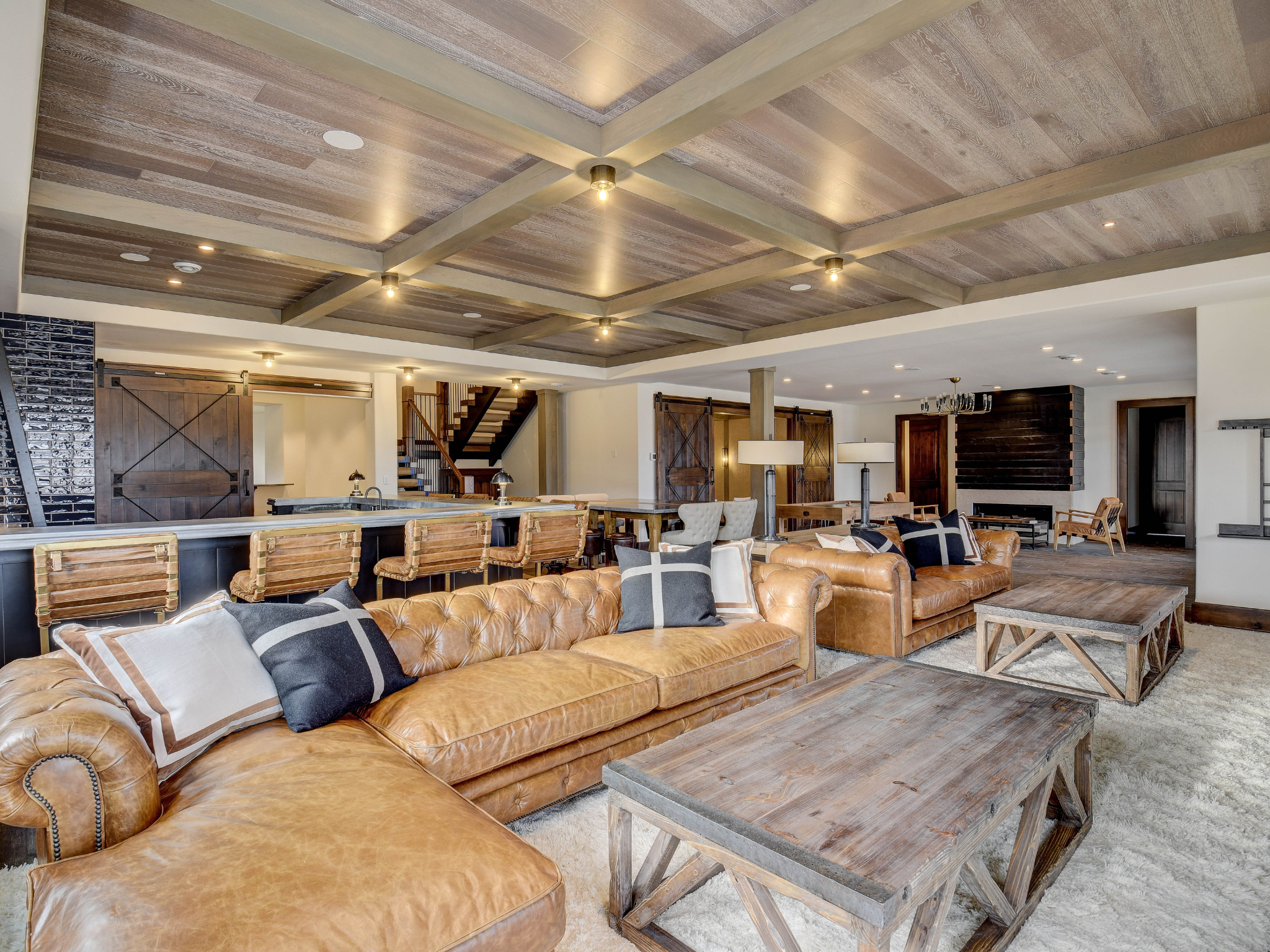
Families with young kids love a spot where toys can live without taking over the main living room. A basement playroom solves that. Durable flooring, bright lighting, and a nearby half bath make it practical. Add a closet for games and rotating toys. For teens, the same area can shift to a hangout space with a gaming setup and sectional sofa.
Entertaining and relaxation
Many Wisconsin homeowners want a place for a Friday night game, a movie marathon, or a Packer party. Finished basements often include a media wall, projector or large TV, and a small snack bar. Some families add a craft area or a music corner. Redleaf Homes can prewire for sound and plan for acoustic control so noise from movies or drum practice stays downstairs.
Guest suites and multigenerational living
Basement bedrooms can be comfortable and private when they include proper egress windows and thoughtful lighting. Parents visiting from out of town or adult children home between moves appreciate the space. In walkout basements, a guest suite with patio access feels bright and connected to the backyard. Redleaf Homes often designs a future-ready layout that allows you to add a small kitchenette later if your needs change.
Home office and hobby space
Remote work and hands-on hobbies need quiet corners. A glass door office in the basement can be focused and separate from the bustle upstairs. For makers, a workshop with a utility sink, durable counters, and organized task lighting is ideal. Woodworking, sewing, brewing, or art studios fit well in a basement where mess stays contained.
Fitness and wellness
Instead of a gym membership, some families choose an in-home workout room with rubber flooring, a mirror wall, and ventilation for fresh air. A compact sauna or recovery space is also popular in colder months. Basements stay cooler in summer, which can make workouts more comfortable.
When skipping the basement makes sense
There are good reasons to choose no basement and build on a slab or crawlspace. Here are the cases where that choice often wins out in Wisconsin.
Main level living and accessibility
If you want to age in place or prefer step-free living, slab-on-grade makes it easy. There are no stairs to manage for daily life, groceries, or laundry. With smart planning, you can get wide halls, curbless showers, and knee-friendly flooring from day one.
Faster build and simpler maintenance
Skipping a basement means less excavation, fewer foundation walls, and fewer waterproofing details. That can shorten the schedule and reduce maintenance over time. There is no sump pump to monitor, no foundation walls to crack, and less risk of moisture issues. Redleaf Homes still recommends good site grading and stormwater planning for any foundation type.
Energy efficiency and comfort
A well insulated slab with continuous foam and a thermal break around the perimeter can be very efficient. Add in-floor radiant heat for steady winter comfort. Rooms can feel evenly warm and quiet, which is appealing during long Wisconsin winters.
High water table or challenging soils
Near lakes or in lots with high groundwater, a basement may require extensive waterproofing or might not be advisable. In those cases, a slab or crawlspace protects the home and your budget. Redleaf Homes evaluates soil conditions, drainage, and elevation early so you can choose with confidence.
Costs to consider in Southeastern Wisconsin
Every site and plan is different, but ballpark numbers help with the basement or no basement decision. Here are typical considerations Redleaf Homes discusses with clients.
- Excavation and foundation: A full basement generally costs more than a slab due to deeper excavation, more concrete, and more labor. Depending on soils and wall height, the unfinished basement portion can add a notable amount to the foundation budget compared to a slab.
- Finishing later: Many families build an unfinished basement first, then complete portions over time. Finishing often includes framing, insulation, drywall, flooring, a bathroom, and egress windows. The total depends on size and selections. Planning rough-ins during the initial build keeps future costs lower.
- Ceiling height: Taller basement walls cost more but transform the feel of the space. Many clients choose 9-foot walls to avoid a cave-like feeling and to run ducts cleanly.
- Waterproofing and drainage: Drain tile, a quality sump system with battery backup, exterior waterproofing, and good grading are essential. These are worthwhile investments that protect your home and resale value.
- Slab enhancements: On a slab plan, continuous insulation, thicker edge details, and radiant heat add cost but improve comfort and efficiency. Storage solutions and built-ins also become part of the budget if there is no basement.
Because material and labor prices change, the best way to compare is to review a custom line-by-line estimate. Redleaf Homes provides clear pricing and helps you align your wish list with the budget that makes sense.
Resale and appraisal: what local buyers expect
Wisconsin buyers often expect a basement, especially in suburban communities around New Berlin, Waukesha, Pewaukee, Delafield, Oconomowoc, and the broader Lake Country area. Walkout basements with natural light tend to be especially desirable on sloped sites. That said, demand for single-level living is rising across all age groups. A well designed slab-on-grade home with ample storage, high ceilings, and great natural light competes well and can appraise strong. Local comps matter. Redleaf Homes reviews layout choices with an eye on future value so your home fits both your life and the market.
Design strategies if you choose a basement
Going with a basement does not mean it has to feel dark or disconnected. Thoughtful design can make it one of the best parts of your home.
- Choose daylight wherever possible: Walkout or lookout designs bring in sunshine and views. Even on flat lots, larger egress wells with clear liners, reflective gravel, and plantings brighten rooms.
- Plan for 9-foot walls: Extra height improves airiness and allows ducts and beams to tuck up cleanly. It also helps tall guests feel comfortable.
- Zone the noise: Place media rooms and workout areas away from bedrooms above. Use resilient channels or sound batts in ceilings for peace and quiet.
- Place mechanicals smartly: A compact mechanical room with service clearances keeps systems efficient and frees up usable space for living areas.
- Preplan plumbing: Rough-in a future bath and bar during the initial build. It saves money and avoids breaking up finished floors later.
- Waterproof for the long run: Combine exterior waterproofing, drain tile, a reliable sump with battery backup, and a backup power solution. Add a dehumidifier drain to control summer humidity.
- Test and mitigate radon: Wisconsin has pockets with higher radon. Install a passive mitigation system during construction and test after completion. Activate the system with a fan if needed.
- Think flexible: Design rooms that can shift from playroom to office to guest suite without rework. Use wider doorways and closets sized for varied storage.
Design strategies if you go without a basement
Choosing no basement means planning smart storage and mechanical spaces from the start. Done well, the home lives easy and feels open.
- Right-size storage: Add a bigger pantry, a laundry room with cabinets, and a mudroom with cubbies. Consider a walk-in gear room off the garage for seasonal items.
- Garage solutions: An oversized or tandem garage can handle bikes, tools, and a deep freeze. Built-in shelving and attic access help organize everything.
- Conditioned attic or loft: A partially finished attic or truss system designed for storage keeps long-term items out of the way but accessible.
- Mechanical planning: Centralize mechanicals in a dedicated closet with sound treatment. If possible, place water heaters near bathrooms to shorten hot water waits.
- Comfort upgrades: Insulate beneath and around the slab, consider radiant heat, and choose high-performance windows for draft-free comfort.
- Storm safety: In tornado season, a reinforced interior room designed to ICC 500 standards can be a resilient shelter. Redleaf Homes can coordinate structural details with your engineer.
- Ceiling strategy: Slightly taller main level ceilings can help with duct routing while keeping rooms feeling airy.
Energy, comfort, and ongoing maintenance
Basements offer cool temperatures in summer, which many families love. They can feel chilly in winter without proper insulation and air sealing. Insulate basement walls and rim joists, seal penetrations, and add a dehumidifier drain line for easy humidity control. For slab-on-grade homes, continuous insulation and radiant heat deliver even warmth and quick recovery on cold mornings. Either way, tight construction with good ventilation leads to comfort and efficiency. Redleaf Homes emphasizes careful planning and quality control so your home performs well year round.
Real-life snapshots from Redleaf Homes clients
The young family in Pewaukee
They chose a basement for storage and play space. The finished area includes a bright playroom with washable flooring, a future-ready bedroom with egress, and a half bath. They love hosting friends for movie nights while toys stay out of sight on weekdays. The unfinished mechanical room doubles as bulk storage for holiday bins and sports gear.
The multigenerational home in Oconomowoc
This family built on a sloped lot with a walkout basement. A guest suite opens to a patio, and a compact kitchenette supports longer visits without crowding the main kitchen. The media space is zoned away from bedrooms, and taller windows bring in daylight. It feels like a lower level, not a basement.
The empty nesters in New Berlin
They went with no basement and focused on single-level living with a radiant heated slab. Storage lives in an oversized garage with built-ins and a conditioned gear room. A sunny home office sits near the entry, and the main living space has a vaulted ceiling for an open feel. Maintenance is minimal, and winter comfort is excellent.
Frequently asked questions
Is a basement always the better value?
Not always. A well designed slab-on-grade home can match or exceed the livability of a home with a basement, especially for those who want step-free living. On many Wisconsin lots, a basement adds flexible space and resale appeal. The best value depends on your site, budget, and how you use your home.
Will a basement feel dark or damp?
With good design and modern building practices, no. Choose larger windows, add well liners that reflect light, and plan for proper insulation, drainage, and a dehumidifier hookup. Walkout and lookout designs bring in ample daylight.
How do water concerns affect the decision?
High water tables, poor soils, or sites near lakes can make basements more complex. Redleaf Homes evaluates these conditions early. If a basement still makes sense, robust waterproofing and drainage protect your investment. If not, a slab or crawlspace can be the smarter choice.
Can I finish a basement later to save money now?
Yes. Many clients rough-in plumbing, plan egress windows, and frame key walls during the initial build. That keeps the door open for a cost-effective finish down the road.
What about radon in Wisconsin?
Radon levels vary by area. The best practice is to install a passive mitigation system during construction and test after completion. If levels are high, an inline fan activates the system. Redleaf Homes includes radon planning in its foundation details.
How Redleaf Homes helps you decide
Choosing basement or no basement is easier with a clear process. Redleaf Homes, founded in 2011 in New Berlin, Wisconsin, builds custom homes across Southeastern Wisconsin and the Northwoods with a focus on craftsmanship and client care. Here is how we guide the decision.
- Discovery: We ask how you live, what you store, and how you entertain. We also review your site and long-term plans.
- Concept design: We sketch both options if the lot allows, showing how each choice affects light, storage, and traffic flow.
- Preliminary pricing: We provide transparent, line-item estimates so you can compare basement and slab options clearly.
- Engineering and site review: We coordinate soils, drainage, and foundation details to ensure durability and comfort.
- Selections and planning: We help you choose finishes, storage solutions, and mechanical systems that fit your lifestyle.
- Construction with updates: We keep communication open and scheduling predictable to avoid surprises.
- After move-in: We support you with guidance on maintenance and performance for the season ahead.
Redleaf Homes also offers remodeling and additions, including finishing basements, adding walkouts, or converting storage into livable space. If you already own a home and want to realign it with your needs, we can help.
So, basement or no basement?
If you want maximum flexibility for storage, play, and future rooms, a basement can be a great fit, especially with daylight or a walkout on a sloped site. If you prefer single-level living, warm floors, and minimal maintenance, a well insulated slab-on-grade plan shines. There is no one-size answer. The right choice is the one that supports your life and your site. With Redleaf Homes, you can compare options side by side and move forward with confidence.
Start your Wisconsin home project
Ready to explore basement or no basement for your new build or remodel in New Berlin, Waukesha, Pewaukee, Delafield, Oconomowoc, Lake Country, or the Northwoods? Talk with Redleaf Homes about custom design, planning, building, remodeling, or additions. Visit us at 17035 W Greenfield Ave, New Berlin, WI, or call 262-599-8061. We will walk you through smart options, clear pricing, and a plan that fits your lifestyle today and tomorrow.