
Before You Buy: A Quick Overview
Building a home in a subdivision can be a smart way to get the location, amenities, and neighborhood look you love. It can also come with rules, fees, and lot quirks that affect design, budget, and timeline. This guide explains the essentials so you can make clear choices and avoid surprises. If you want a partner who keeps the process simple and transparent, Redleaf Homes is here to help across Southeastern Wisconsin and the Northwoods.
Building a home in a subdivision? Discover key rules, costs, HOAs, and lot pitfalls before you buy. Make informed choices and save by reading our expert guide now.
How Subdivisions Work
Covenants, Conditions, and Restrictions and HOAs
Most subdivisions have Covenants, Conditions, and Restrictions, often called CC and Rs, enforced by a Homeowners Association. These rules help keep property values and a consistent look across the neighborhood. Before you fall in love with a lot, read every page of the CC and Rs. They can influence your roof pitch, siding material, garage placement, fence height, mailbox style, tree planting, and even where you can store a camper. Expect a one-time initiation fee and monthly or annual HOA dues. Ask what the dues cover, such as lawn care for common areas, snow removal on private streets, amenities like trails or a pool, and reserve funds for future repairs.
Architectural Review and Design Control
Many HOAs use an Architectural Review Committee to approve home plans. This review checks your exterior elevations, materials, colors, height, and landscape plan. Some communities restrict repeated elevations next to each other or across the street. Others set minimum square footage or require a specific style, such as farmhouse or craftsman. Plan for ARC timelines in your schedule. Also confirm any builder list or preferred builder program. Some subdivisions allow only preapproved builders, while others are open. Redleaf Homes is experienced with architectural reviews and will help you prepare a complete submittal so approvals move smoothly.
Public vs Private Roads and Utilities
Ask whether streets are public or private. Private streets often mean the HOA pays to maintain and plow them, which affects dues. Find out if the subdivision uses municipal water and sewer or private wells and septic. In exurban subdivisions, you may see community wells or individual septic systems. Each system comes with testing, permits, and costs. Redleaf Homes will confirm utility connections and help you budget for tap fees, meters, and any upgrades.
Choosing the Right Lot
Orientation, Sun, Privacy, and Noise
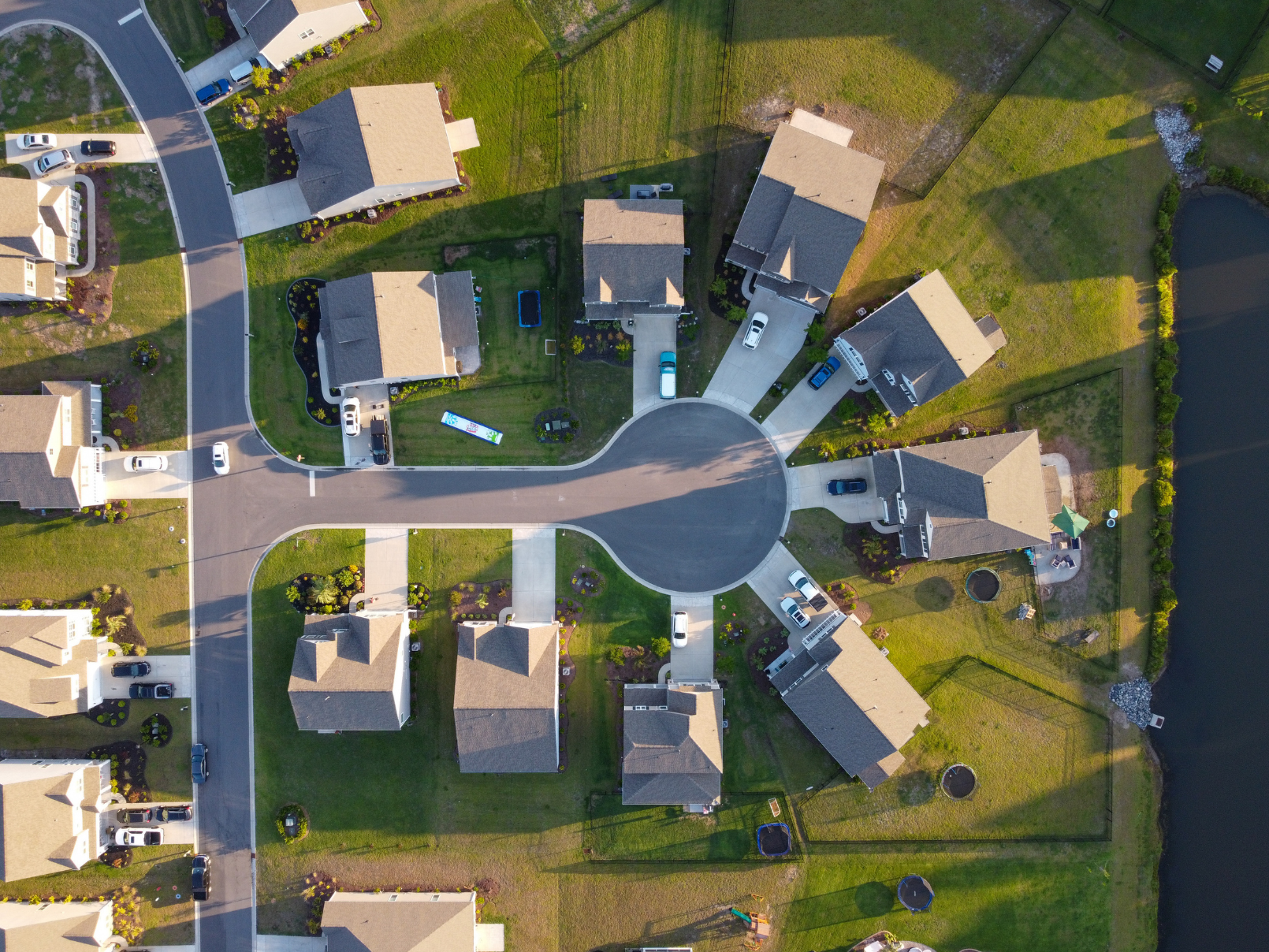
Lot placement can shape your daily life. South or west facing backyards get more afternoon sun, which is great for decks but can warm interiors. Corner lots provide space but may have added sidewalk and snow obligations. Cul-de-sac lots reduce traffic but sometimes have irregular shapes that shrink the buildable area. Walk the site at different times of day. Listen for traffic, nearby trains, or school bells. Look at how neighboring homes sit. Redleaf Homes will help you match a floor plan to the lot orientation so you capture light, views, and privacy.
Topography, Soil, and Drainage
Flat lots can still have hidden grading costs. If the lot slopes, you might need a lookout or walkout lower level, which changes foundation cost and deck heights. Soil types matter. Clay and organics can require overdig and stone backfill. Wet soils may need drain tile, sump systems, or engineering. Ask for a grading plan and any geotechnical report. In many Wisconsin communities, stormwater rules control how water moves off your site. You may need swales, sump discharge locations, and erosion control. Redleaf Homes reviews lot grades early to prevent surprise costs later.
Easements, Setbacks, and Buildable Area
Easements give utilities or neighbors rights to part of your land, often along side or rear lot lines. You cannot build within these areas. Setbacks also limit where the house can sit. On an irregular lot, setbacks can push the home forward or to one side. Get a certified survey and map out the buildable envelope. This step keeps you from picking a plan that does not fit. Redleaf Homes includes surveys and detailed site planning so your home fits the lot and the rules.
Utility Access and Capacity
Confirm where water, sewer, gas, and electric stubs are located. Longer service runs add cost. Check transformer placement and whether you need temporary power during construction. If the subdivision uses well and septic, verify lot perc tests, septic location, and separation from wells. Ask about fiber or cable availability if you work from home. Redleaf Homes coordinates with utility providers to time connections and prevent delays.
Special Considerations in Wisconsin
Local codes and climate add a few extra checks in our region. Frost footings typically extend below 48 inches. Basements are common and require proper waterproofing, drain tile, and sump discharge that meets municipal rules. Many areas recommend or require radon mitigation. In Lake Country and near shorelines, shoreland zoning and impervious surface limits apply. Tree preservation rules may affect clearing. Winter snow storage and plow patterns can impact driveway layout. Redleaf Homes has built across New Berlin, Waukesha, Pewaukee, Delafield, Oconomowoc, and other Lake Country communities, so we plan with these details from day one.
Costs You Might Not Expect
Lot Premiums and Builder Tie-ins
Desirable lots near parks, cul-de-sacs, or with water views often carry a premium. Some subdivisions have builder tie-ins where buying the lot commits you to a particular builder package or price floor. Clarify if you can bring your own builder, and what minimum construction value the community requires. Redleaf Homes can price your custom plan to meet any neighborhood minimums while still keeping your budget under control.
Permit, Impact, and Connection Fees
Beyond the house price, budget for municipal permits, state approvals, and utility connections. These can include building, electrical, plumbing, and HVAC permits, erosion control, driveway and right of way permits, park impact fees, school impact fees, meter fees, and water and sewer connection fees. Ask for a complete list and a written estimate. Redleaf Homes provides transparent allowances and tracks each fee so you always know where your budget stands.
Site Work and Exterior Requirements
CC and Rs often outline exterior standards that add cost, such as masonry percentages, upgraded siding, covered porches, specific front landscaping, street trees, mailbox types, sidewalks, and irrigation systems. If the lot requires a walkout basement, you may need taller foundation walls, extra stairs, and railings. Look at driveway length, width, and slope. Concrete, asphalt, and decorative paving vary in cost. Fencing choices might be limited to specific materials or heights. Redleaf Homes reviews exterior guidelines with you and suggests options that meet rules without overspending.
HOA Dues, Start-up Fees, and Ongoing Costs
Plan for a one-time HOA initiation, recurring dues, and possible special assessments for capital projects. Ask how dues have changed over time in similar neighborhoods. If amenities include a pool, club, or private roads, dues may be higher. Also check trash pickup, mailbox maintenance, and whether you are responsible for boulevard trees or extra snow removal. These are real monthly costs that affect long-term affordability.
Time Costs and Holding Expenses
Buying a lot before you are ready to build can mean months of interest or taxes with no progress. Some developers set time limits for starting construction. If your design needs ARC revisions, permit corrections, or utility delays, your carrying costs rise. Redleaf Homes builds a realistic schedule and helps you sequence lot purchase, loan close, and start of work so you are not paying for time you do not need.
Timeline and Process
Developer Schedules and Start Windows
Developers sometimes release lots in phases. Roads, street lights, and final plat approvals can affect when you can pull a permit. Ask for a written timeline and confirm that the final plat is recorded. If you plan on a specific school year or move date, build in buffer. Redleaf Homes coordinates with the developer and the city or county so you have accurate start and completion dates.
Approvals, Permits, and Inspections
You will likely pass through ARC review, permit submittal, and several inspections for footings, foundation, framing, mechanicals, insulation, and final occupancy. Some communities require stormwater or tree preservation inspections. Plan review times vary by municipality. Redleaf Homes handles submittals, communicates status, and keeps you updated at each milestone.
Winter Building in Wisconsin
You can build in winter, but it takes planning. Concrete may require blankets and additives. Site access needs snow management. Material deliveries can slow in storms. With proper sequencing, the schedule still moves. Redleaf Homes has cold-weather procedures that maintain quality without unnecessary delays.
Design Tips for Subdivision Living
Pick a Floor Plan That Fits the Lot
Do not force a square plan on a pie-shaped lot. Narrow lots favor plans with thoughtful storage, an efficient stair location, and windows placed to bring in light without sacrificing privacy. If your backyard faces a street or trail, taller privacy landscaping or a screened porch may be a better investment than a large open deck. Redleaf Homes tailors custom plans to each lot, instead of trying to make a stock plan work.
Garage Placement, Driveways, and Streetscape
Some CC and Rs limit front-facing three car garages or require carriage style doors. Others require side-loading garages that increase driveway length and cost. Be mindful of driveway slopes in winter. Keep garage entries safe and visible. Redleaf Homes designs elevations that meet the rules while giving your home strong curb appeal.
Outdoor Living Within Guidelines
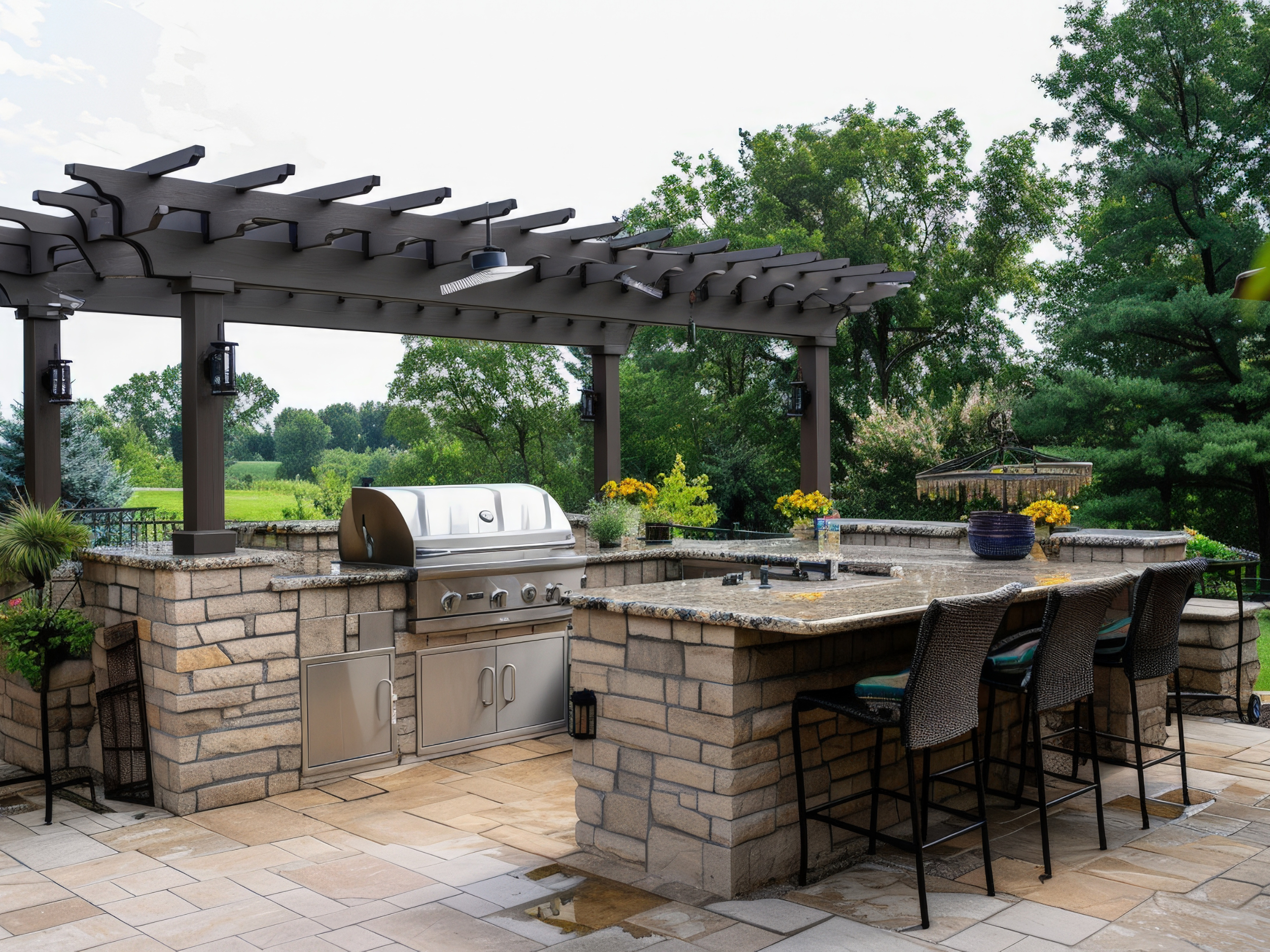
Confirm setback rules for patios, decks, pergolas, and pools. Many HOAs require ARC approval for these features. If you want a future pool, plan utility routes and location early. Think about sun, wind, and neighbor sightlines. Choose low-maintenance materials allowed by the CC and Rs, and create a planting plan that meets tree counts and species lists.
Energy Efficiency and Codes
Subdivision homes must meet local energy codes. Invest in tight envelopes, quality windows, right-sized HVAC, and balanced ventilation. In our climate, air sealing and insulation pay off quickly. Consider smart zoning, ERV systems, and passive solar placement where the lot allows. Redleaf Homes prioritizes energy performance, comfort, and durability without pushing you over budget.
Financing and Contracts
Construction Loans and Appraisals
You may use a construction to permanent loan or a builder financed option. Appraisals in newer subdivisions can be tricky if there are not many comparable homes. Provide the appraiser with the full spec sheet, lot premium, and upgrade list. Ask your lender about interest-only draws, contingency funds, and rate lock timing. Redleaf Homes works with local lenders and helps package documents so underwriting goes faster.
Purchase Agreement Red Flags
Read both the lot purchase agreement and the construction contract. Watch for escalation clauses on materials, limited change allowances, or vague language on site conditions. Confirm who pays for re-surveys, re-inspections, ARC resubmittals, and re-stakes. Check warranty terms and what is considered normal wear. Redleaf Homes uses clear contracts and open book cost reviews, so you always know what is included.
Contingencies That Protect You
Ask for contingencies on soil conditions, ARC approval, and permit approval. If a soil test reveals bad fill or organics, you need a path to adjust or exit. Set a timeline for approvals with extensions if agencies take longer than expected. Redleaf Homes structures preconstruction steps to reduce risk, including early soil review and plan vetting.
Resale Value and Long-Term Outlook
Upgrade Smartly
Spend where buyers notice and where wear is high. Kitchens, primary baths, flooring, and windows tend to return more value than ultra custom lighting or complex trim that only fits one style. Match neighborhood standards. Overbuilding by thousands of square feet in a modest community can cap your appraisal. Redleaf Homes helps you select finishes that look great, last, and fit your budget.
Community Amenities and Market Trends
Trails, parks, lakes, and school zones all matter for future buyers. Ask about future phases or nearby developments that might change traffic or noise. A strong HOA that maintains entry monuments, landscaping, and signage supports curb appeal over time. In Lake Country, water access and views drive demand. In New Berlin and Waukesha, proximity to highways and good schools is a big plus. Plan with the long view in mind.
A Practical Checklist Before You Commit
- Get the full CC and Rs, bylaws, and design guidelines in writing.
- Confirm ARC process, required submittals, and review timelines.
- Ask if there is a builder list or builder tie-in, and any minimum home value.
- Obtain a current plat, survey, and utility map for the lot.
- Review grading plan, drainage routes, and any geotechnical info.
- Map setbacks and easements to find the actual buildable area.
- List all expected permits, connection fees, and impact fees.
- Request HOA fee schedule, initiation fee, and what dues include.
- Walk the lot at different times to check sun, privacy, and noise.
- Plan for radon mitigation, sump discharge, and winter building needs.
- Align financing, appraisal, and rate locks with the build schedule.
- Include contingencies for soil, ARC approval, and permits in your contract.
Why Work With Redleaf Homes
Our Process and Communication
Redleaf Homes, founded in 2011 and based in New Berlin, Wisconsin, is a premier custom home builder. We specialize in personalized design, planning, and construction that reflect your lifestyle. You get a single team from concept to keys, consistent communication, and transparent budgeting. We map out site work, permits, ARC approvals, and inspections so there are no surprises. We also offer remodeling and home additions if you want to update an existing home inside a subdivision.
Local Experience You Can Trust
We build throughout Southeastern Wisconsin and the Northwoods, including New Berlin, Waukesha, Pewaukee, Delafield, Oconomowoc, and Lake Country communities. Our team understands local codes, frost depth foundations, stormwater rules, shoreland zoning, and HOA processes. Whether your subdivision uses municipal services or private well and septic, Redleaf Homes coordinates design and approvals to keep your project moving.
Start Your Project
Bring your ideas, wishlist, and a lot you love, or ask us to help you evaluate and find the right lot. Redleaf Homes will create a custom plan that fits the lot, the CC and Rs, and your budget. Visit us at 17035 W Greenfield Ave, New Berlin, WI, or call 262-599-8061 to start planning your home. We are committed to quality craftsmanship, honest guidance, and a stress-free experience.
Frequently Asked Questions About Building a Home in a Subdivision
Do I need HOA approval before I pull a permit
Usually yes. Many municipalities want ARC approval letters before issuing a building permit. Redleaf Homes sequences ARC review and permit submittal to stay on track.
Can I change exterior materials later
Any change that affects the approved elevation usually needs ARC resubmission. We design the exterior carefully at the start so you will not need to redo work.
How long does building a home in a subdivision take
From design to move-in, six to twelve months is common, depending on plan size, approvals, weather, and selections. Redleaf Homes provides a custom schedule for your project and updates it as we go.
Is a walkout basement worth it
If the lot slopes, a walkout can add light and value. It also adds cost for taller walls and decks. We compare both options so you can choose the best fit for budget and lifestyle.
What fees will I pay at closing vs during construction
Expect lot closing costs, construction loan fees, and some utility deposits at the start. Permit fees, meter fees, and inspections occur before and during construction. Redleaf Homes outlines a payment schedule and documents each draw.
Can I bring my own plan
Yes. We can adapt an existing plan to fit the lot and CC and Rs, or create a new custom design. Our in-house planning makes sure the plan meets neighborhood rules and your wish list.
The Bottom Line
Building a home in a subdivision delivers location, community, and lasting value, but success depends on careful planning. Understand the HOA and ARC rules, choose your lot with eyes wide open, budget for hidden costs, and line up a builder who knows the local process. Redleaf Homes blends design creativity with practical know-how so your home fits the neighborhood, your lifestyle, and your budget. If you are ready to start building a home in a subdivision in Southeastern Wisconsin or the Northwoods, connect with Redleaf Homes today at 262-599-8061. We will make the process clear, the craftsmanship outstanding, and the result one of a kind.
Thinking about building new in SE Wisconsin? Give us a call to discuss your options!